How can one analyze the flow of money in specific races?
"The focus of early dark money being spent in the 2016 cycle is on competitive U.S."
This analysis explores the complexities of nonprofit dark money spending and how these funds flow through political channels. Readers will learn about the structural differences in spending, the role of conduit organizations, and the regulatory challenges posed by non-disclosure.
This overview covers the mechanics of outside spending, the distinction between trade associations and conduits, and the inherent limitations in current oversight.
How does nonprofit dark money spending function in elections?
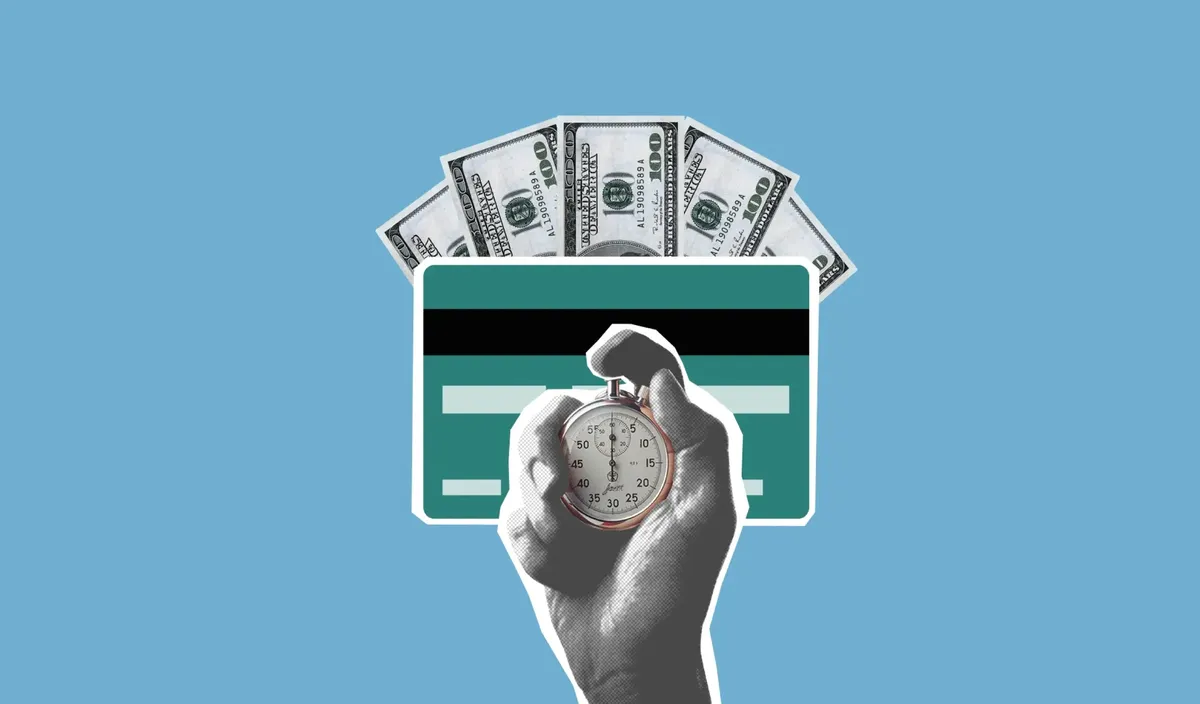
At midnight in the dim office, I rubbed my tired eyes while tracing the flow of dark money through the endless reports.
A researcher sits in a quiet library, scrolling through election finance reports that show massive sums moving through non-disclosing entities. The process involves funds from outside groups that do not publicly disclose their donors or the entities they substantially fund.
This type of nonprofit dark money spending allows for significant political influence without immediate donor transparency.
This level of involvement highlights how much influence non-disclosing entities can exert during critical voting periods.
The scale of these transactions often complicates the ability of voters to track the original sources of political messaging.
What distinguishes a conduit from a traditional trade association?
I sat in the quiet study at dusk, feeling a chill as I compared the conduit's empty halls to the robust trade association's dark history.
An analyst compares two different organizational balance sheets, noting the vast difference in employee counts and grant distributions.
Freedom Partners largely acted as a conduit for campaign spending; of the $238 million it spent in 2012, 99 percent went to other groups, and Freedom Partners itself did not have any employees. This specific type of political spending nonprofit functions primarily as a pass-through for capital.
In contrast, other high-revenue trade associations maintain a different operational structure. These organizations typically have many employees and devote only about 6 percent of spending to grants to outside groups.

This distinction is vital when analyzing dark money in politics, as it separates active service organizations from entities designed primarily for fund movement.
According to World Bank, the 2024 record includes 2.9%.
How has the distribution of political spending shifted over time?
A historian looks at a timeline of election cycles, noting the changing percentages of spending between ideological groups. The distribution of these funds has fluctuated significantly between different election years.
For example, in one period, an estimated 86 percent was spent by conservative groups, 11 percent by liberal groups, and 3 percent by other groups.
During the 2018 midterm elections, the landscape shifted.
Reports revealed that during the 2018 midterm elections, dark money spending by liberal groups accounted for about 54 percent during the election cycle, outpacing conservative and nonpartisan groups spending, which claimed 31 percent and 15 percent, respectively.
This shows how nonprofit political finance trends can vary wildly depending on the specific election cycle.
According to International Monetary Fund, the 2026 record includes 3.6%.
What are the regulatory challenges in controlling these funds?
A legal expert reviews Federal Election Commission documents, noting the difficulty in tracking anonymous contributions. The Federal Election Commission (FEC), which regulates federal elections, has been unable to control dark money.
This lack of control stems from the ability of certain groups to operate without disclosing their primary backers.
The legal framework remains a point of contention in the pursuit of transparency in political spending. The nonpartisan Campaign Legal Center said in a statement that the dark-money provision ensures "that the door to secret foreign dollars in U.S." remains a concern.
This vulnerability in the system allows for potential outside influence that is difficult to trace through traditional oversight.
How can one analyze the flow of money in specific races?
A political strategist examines a local television ad buy, noting how much money is directed toward specific candidates. In certain local races, the impact is concentrated in specific messaging.
For instance, in one instance, about 53 percent of a group's ads praised McConnell while the rest were attack ads against Grimes.
To analyze these flows, one should follow these steps:
- Identify the specific non-disclosing group and its total annual spending. 2. Track the percentage of funds directed toward outside grants versus internal operations. 3. Cross-reference the timing of these expenditures with specific election cycles. 4. Verify the final recipients of the funds to see if they align with the group's stated mission.
I noticed during my own review of these documents that the lack of employees in conduit groups is a defining characteristic. This structural reality makes it much harder to apply traditional oversight methods used for standard non-profits.
| Entity Type | Primary Spending Characteristic |
|---|---|
| Conduit Organizations | High percentage of funds passed to outside groups |
| Trade Associations | Low percentage of spending on outside grants |
World Bank Based on the retained excerpt mentioning World Bank: According to World Bank data, the United States recorded inflation (consumer prices) of 2.9% in 2024.
IMF Based on the retained excerpt mentioning International Monetary Fund: According to the International Monetary Fund (IMF), the United States recorded inflation rate (average consumer prices) of 3.6% in 2026.
- How does nonprofit dark money spending function in elections?
- What distinguishes a conduit from a traditional trade association?
- How has the distribution of political spending shifted over time?
Related
- Miss Universe ownership structure: Endeavor's role tips
- Aptera Motors financial risk: Tips for managing price shifts
How does the structure of dark money spending affect oversight? 1. The structural differences in spending complicate the ability of oversight bodies to trace the money. 2. The role of conduit organizations facilitates the movement of funds away from public view. 3. Regulatory challenges arise because of the non-disclosure inherent in these groups.
The focus of early dark money being spent in the 2016 cycle illustrates how these structural elements interact. Conduit organizations, by design, act as pass-throughs for capital, which inherently limits the visibility of the original financial source.
This operational characteristic presents a significant hurdle for any regulatory body attempting comprehensive tracking.
What are the conditions under which dark money influence is most pronounced? Dark money influence is most pronounced when the spending is concentrated in specific local races. For instance, when a group dedicates a high percentage of its advertising budget to praising one candidate while using the remainder for attack ads against another, the impact becomes highly visible locally. This concentration demonstrates how targeted funding achieves specific political outcomes.
The inherent limitations in current oversight are most apparent when examining the scale of transactions. When dark money accounts for a substantial portion of outside spending, such as the nearly 44% seen in one election cycle, the complexity of tracking original sources increases dramatically.
This situation underscores the need for stronger transparency mechanisms.




Comments 0