Oil price impact on US society: Why energy policy shifts US
"The stability of energy supplies and the fluctuations in market prices dictate the economic rhythm of the nation."
Fluctuations in oil price impact on US society often manifest through changes in purchasing power and domestic inflation rates. This analysis explores how energy cost changes influence the broader economy and how gas price effect on people shifts consumer behavior.
Key takeaways include the direct link between energy costs and inflation, the technical complexities of crude oil types, and the inherent limitations in resource recovery.
How do energy cost changes influence the broader economy?
At dawn, a weary factory worker rubs her eyes while staring at the rising price on a flickering screen.

A trader watches the digital ticker as prices shift, reflecting the immediate impact of supply levels on the market. According to the Energy Information Administration (EIA), commercial crude oil inventories increased by 2.0 million barrels in the U.S. as of July 22, 2026.
This shift in supply can lead to immediate changes in domestic price stability.
Such shifts in inventory levels directly affect the cost of living and consumer spending patterns. For instance, the relationship between energy and the general price level is a critical economic indicator.
According to World Bank data, the United States recorded inflation (consumer prices) of 2.9% in 2024.
The broader economic landscape is sensitive to these fluctuations, which can influence everything from transportation costs to manufacturing overhead. When fuel costs change, the ripple effect is felt throughout various industrial sectors.
This volatility makes energy policy a central topic for economic stability.
What is the relationship between oil price and local economy?
A heavy truck rumbles down a highway, its driver calculating the fuel expense for the day's route. The cost of fuel acts as a tax on movement, affecting the logistics and supply chains that sustain local businesses.
When prices rise, the oil price and local economy connection becomes visible in higher shipping fees and retail surcharges.
The impact of fuel cost and inequality is often felt most acutely in regions dependent on long-distance transport. High fuel costs can disproportionately affect low-income households that spend a larger share of their budget on commuting.
This creates a unique economic pressure within local communities.
The complexity of the oil market also involves the specific types of crude being processed and transported. Different grades of oil require different refining processes, which affects the final cost at the pump.
Understanding these technicalities is essential to grasping how price changes reach the consumer.
According to World Bank, the 2024 record includes 2.9%.
How do different oil types affect the fuel market?
A refinery technician inspects the heavy, dark liquid flowing through a thick steel pipe. The technical composition of crude oil determines its value and the cost of refining it into usable fuel.
For example, extra heavy oil is defined by the World Energy Council (WEC) in 2010 as having a gravity of less than 10° and a reservoir viscosity of more than 10,000 centipoises.
The chemical makeup of the oil dictates how much it costs to produce gasoline or diesel. Some oils are easier to refine, while others require much more energy and specialized equipment. This distinction is vital for understanding global supply chains and price volatility.
| Oil Type | Key Characteristic |
|---|---|
| High Sulfur Crude | Over 1% sulfur content |
| Low Sulfur Crude | Less than 1% sulfur content |
I noted that the distinction between these grades significantly alters the refinery's operational costs. High sulfur oils often contain aromatics and asphaltenes, making them more difficult to process. In contrast, low sulfur oils typically contain naphthenes and resins.
What are the challenges in managing heavy oil reserves?
An engineer examines a geological map of a vast, remote oil field. Managing large-scale oil reserves requires navigating both geographic and chemical challenges.
The Energy Information Administration reported in 2001 that the largest reserves of heavy crude oil in the world were located north of the Orinoco River, in the 270-mile long by 40-mile wide Orinoco Belt in eastern Venezuela.
The extraction process for these specific types of oil can be remarkably inefficient. While the volume of oil in place may be massive, the actual amount that can be extracted is often much lower. This creates a gap between theoretical wealth and actual economic output.
The chemical composition of certain reserves adds another layer of difficulty. For example, Orinoco extra heavy oil contains 4.5% sulfur as well as vanadium and nickel. These elements require intensive treatment to meet environmental and mechanical standards.
How do recovery rates impact energy stability?
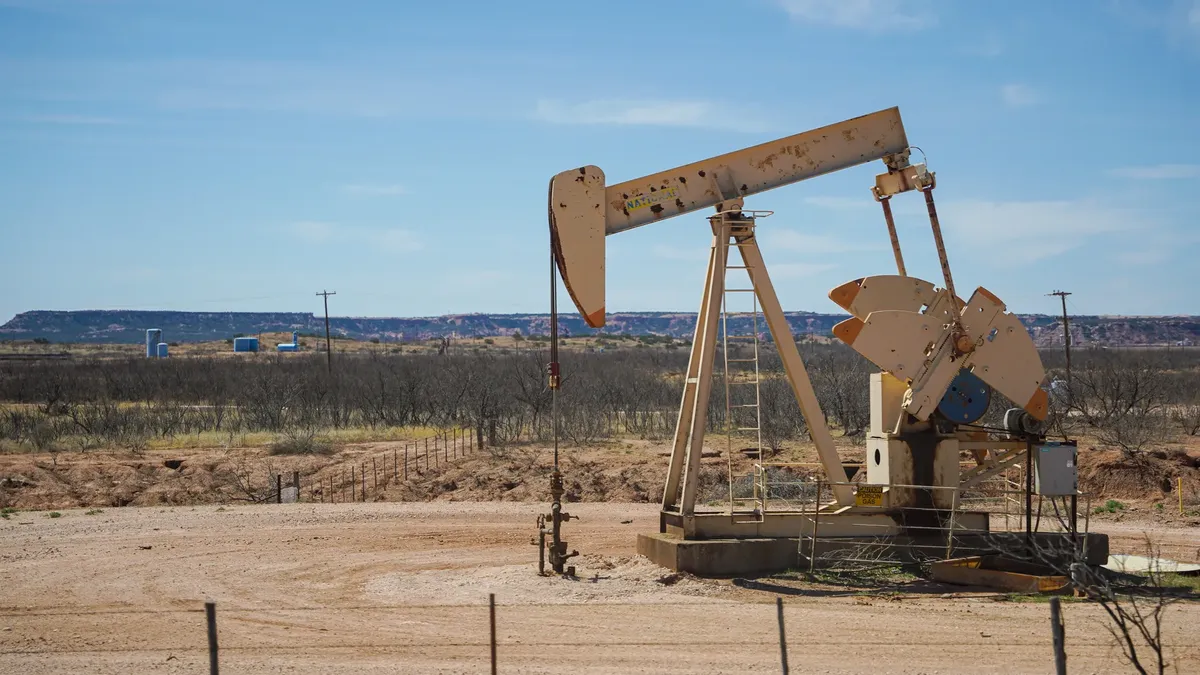
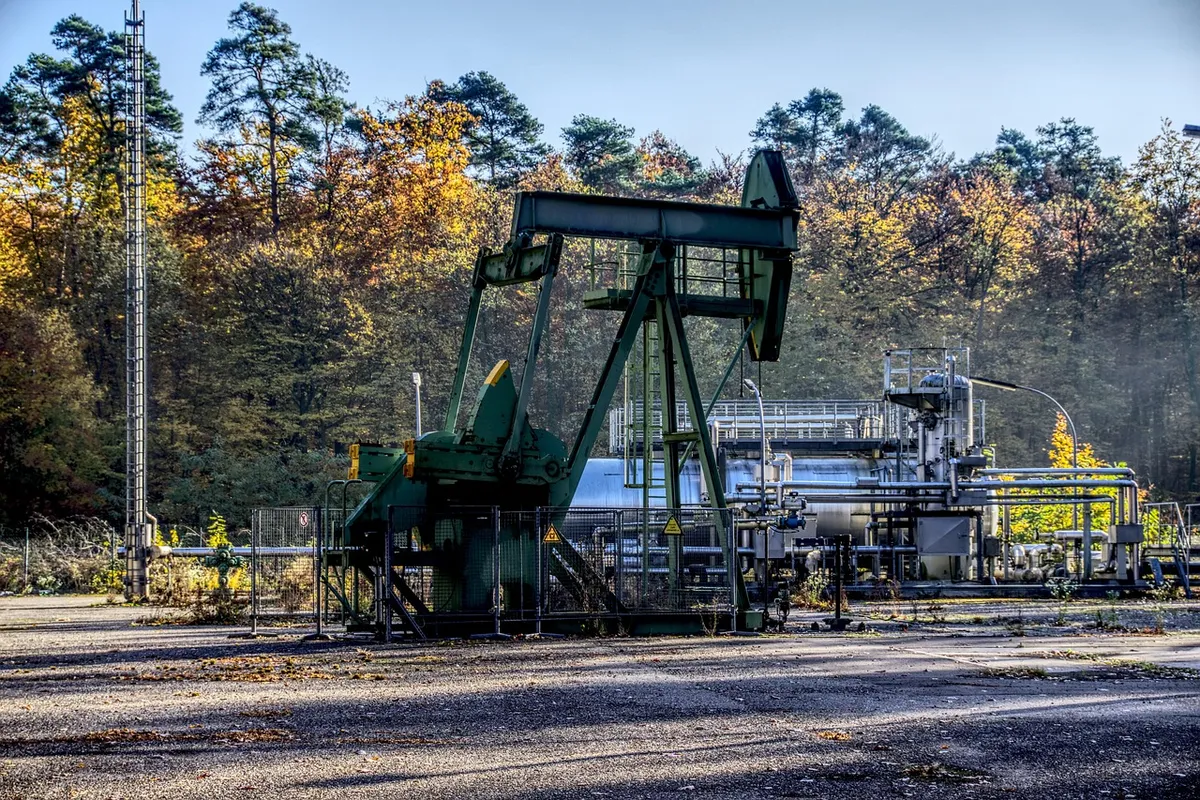
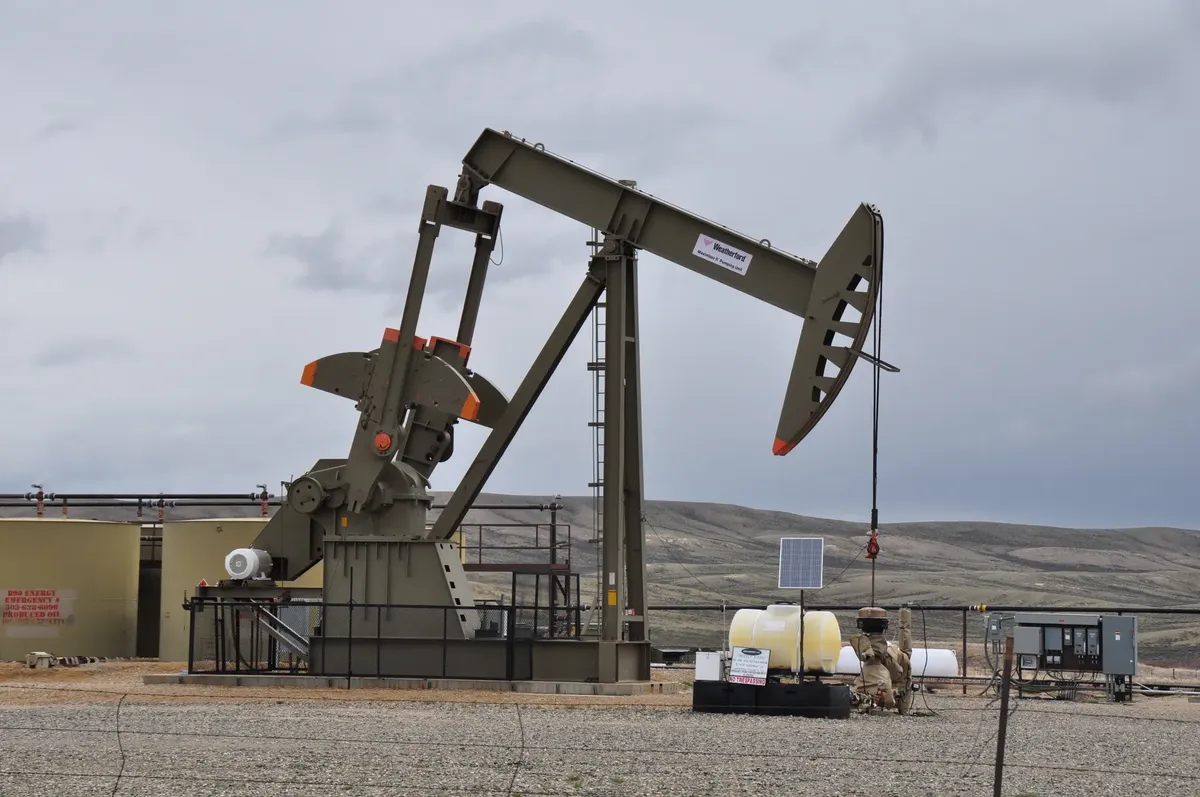
A drilling rig operates in a quiet field, slowly extracting resources from deep underground. The efficiency of extraction is a major factor in determining the long-term availability of energy. Because of the physical properties of certain oils, much of the energy remains trapped in the ground.
The technical limitations of extraction can lead to unpredictable supply levels. For instance, recovery rates for heavy oil are often limited from 5-30% of oil in place. This low efficiency means that even large reserves do not guarantee a steady, high-volume stream of fuel.
These recovery limitations mean that the energy policy shifts US toward seeking more efficient extraction technologies. If the recovery rate is low, the cost per barrel of produced oil rises significantly. This makes the supply more vulnerable to market shifts.
How can we manage fuel cost and inequality?
A family sits at a kitchen table, reviewing a monthly budget that includes rising gas expenses. Addressing the economic impact of energy requires looking at both the technical supply and the social consequences.
The interplay between global markets and local living standards is a constant challenge for policymakers.
To understand the full scope of these shifts, one must consider three main factors: 1. The chemical composition and sulfur content of the crude being processed. ly 2. The extraction efficiency and recovery rates of the specific reservoir. 3. The geographic location and logistics of the supply chain.
A final check of these factors helps clarify why prices fluctuate so wildly. The complexity of the oil industry means that minor changes in chemistry or technology can have massive economic consequences.
- How do energy cost changes influence the broader economy?
- What is the relationship between oil price and local economy?
- How do different oil types affect the fuel market?
Oil price impact on US society
The same subject is also called US energy cost changes.
The same subject is also called Consumer reaction to fuel costs.
This part also covers Power bill changes US.
Related







Comments 0