Miss Universe ownership structure: Endeavor's role tips
"The structure of a global brand is often defined by the invisible threads of ownership and licensing that bind its various branches together."
The Miss Universe ownership structure involves a parent company that maintains control over multiple pageant brands. This setup guarantees the Miss Universe brand license stays consistent across various regional competitions.
Key takeaways include the role of Endeavor as a parent entity, the management of exclusive licenses, and the historical separation of pageant operations.
How does the Miss Universe ownership structure work?
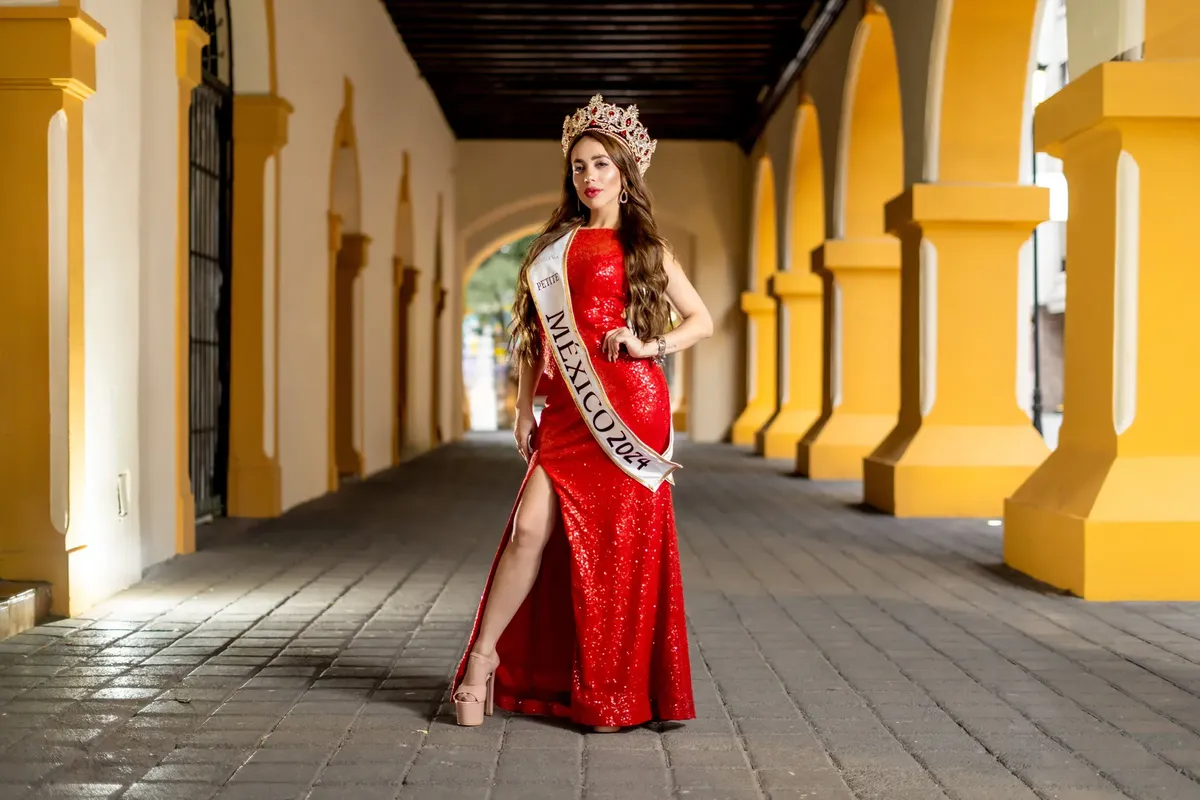
At midnight in the dim boardroom, she gripped the cold table and realized she would miss the old way the Miss Universe ownership structure worked.
A corporate entity holds the reins of the various pageant branches to ensure brand continuity. This connection links the global pageant to a wider portfolio of entertainment and media assets.
The Miss Universe brand license is maintained through a centralized management system. This structure allows the organization to govern multiple distinct competitions under a single corporate umbrella. The organization has historically managed various titles simultaneously.
According to Wikipedia, the Miss Universe Organization operated both pageants, as well as Miss Teen USA, until 2020. This indicates a period where multiple distinct brands were managed under a unified operational strategy. The shift in management reflects how ownership can evolve over time.
What is the Endeavor Miss Universe role in management?
While walking through the quiet office at dawn, he felt a sudden chill and realized he might miss the clarity of the Endeavor Miss Universe role in management.
The parent company maintains oversight of the primary brand assets. The Endeavor Miss Universe role involves managing the high-level strategic direction of the pageant. This ensures that the global identity remains intact across different markets.
Endeavor brand management focuses on the commercial and operational success of the pageant. By acting as a parent company, they provide the necessary infrastructure for global events. This oversight extends to how various regional licenses are distributed.

The Miss Universe brand management involves navigating complex legal and operational landscapes. Different entities may hold specific rights, but the parent company maintains the core identity. This ensures that the prestige of the crown remains a constant factor.
How is the Miss Universe brand license managed?
A license allows specific individuals or groups to run regional pageants under the global name. The Miss Universe brand license is a legal agreement that grants rights to specific organizers. These organizers must adhere to the standards set by the parent company.
Endeavor license management ensures that all regional competitions meet the brand's requirements. This prevents fragmentation and maintains a uniform standard of competition. The license acts as a bridge between the global brand and local organizers.
Conflicts can arise when questions of ownership and licensing overlap.
This illustrates how license disputes can manifest publicly.
What are the details of the Endeavor acquisition details?
The acquisition of rights can change the trajectory of a brand. The Endeavor acquisition details involve the transfer of control from previous owners to new entities. This process often involves complex negotiations regarding intellectual property.
The Miss Universe ownership involves a clear distinction between the parent company and license holders. While the parent company holds the primary rights, licensed organizers manage specific regional events. This separation allows for localized execution within a global framework.

I observed how these changes in ownership can lead to questions about who holds the ultimate authority. The transfer of rights ensures that the brand can continue to grow under new leadership. This transition is a common part of corporate evolution.
How do regional pageants fit into this structure?
Regional competitions serve as the pipeline for the global stage. The Miss Universe ownership structure allows for various national pageants to exist under the same brand. This creates a global network of talent.
The Miss Universe brand control is maintained through these regional links. Each pageant must follow specific guidelines to remain part of the official organization. This ensures that winners are prepared for the international competition.
The Miss Universe brand license ensures that each regional winner is recognized globally. This structure links local success to international prestige. The organization maintains a standard that all licensed pageants must follow.
How do we look at the Miss Universe brand control?
The brand maintains its prestige through strict adherence to its established identity. The Miss Universe brand control is a vital part of keeping the competition's reputation intact. It involves managing everything from production to the selection of winners.

The Miss Universe ownership involves a balance between global oversight and regional autonomy. While the parent company sets the rules, regional organizers handle the local logistics. This balance is key to the success of a global brand.
| Feature | Description |
|---|---|
| Parent Company | Endeavor |
| Historical Scope | Managed Miss Teen USA until 2020 |
The structure ensures that the brand remains a cohesive unit. I noticed that even with different organizers, the core identity remains recognizable. This consistency is what maintains the brand's value.
A limitation exists regarding the specific internal financial details of the acquisition, as only the fact that Brodeur acquired exclusive licenses is established.
- How does the Miss Universe ownership structure work?
- What is the Endeavor Miss Universe role in management?
- How is the Miss Universe brand license managed?
Related







Comments 0