Olympic baseball team makeup: Why minor leaguers were used
"In 2000, professionals were admitted, but Major League Baseball did not release its players in 2000, 2004, and 2008, and the situation changed only a little: the Cubans still used their best players, while the Americans started using minor leaguers."
The Olympic baseball team makeup underwent a significant shift when professional players were first allowed to compete. This era saw a widening gap in roster strategies between nations that could field top-tier professionals and those utilizing developmental talent.
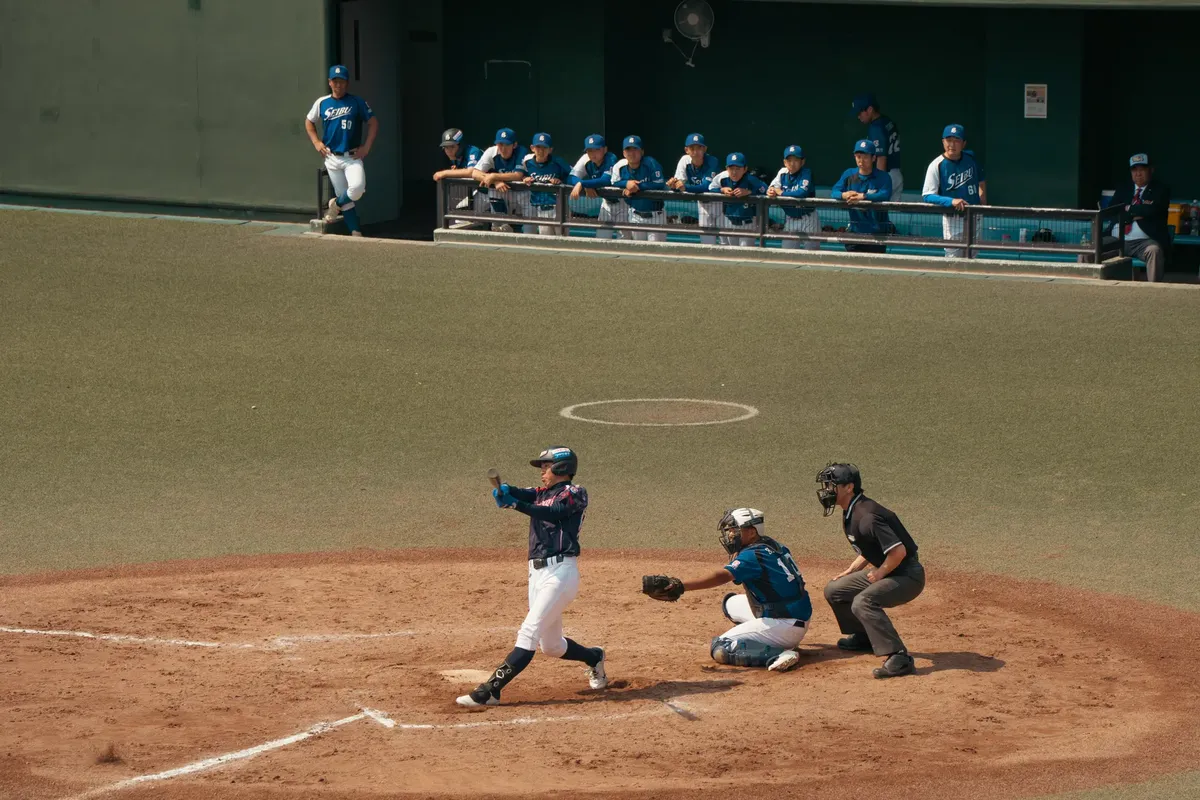
* Professional inclusion allowed for a new era of competition starting in 2000. * The United States often utilized minor leaguers during the early 2000s Olympic cycles. * Cuban rosters maintained a different standard by utilizing their best available players. * The transition from amateurism to professional participation fundamentally altered the competitive landscape.
How did the professional era change the Olympic baseball team makeup?
A dusty diamond in a quiet stadium serves as the backdrop for where these new rules first met reality. When the rules changed to allow professional players, the competitive balance of the Olympic baseball team makeup began to shift based on how much talent each nation could actually provide.
According to Major League, after professionals were admitted in 2000, Major League Baseball did not release its players in 2000, 2004, and 2008, resulting in a situation where Cubans used their best players while Americans began using minor leaguers.
In 2000, professional players were officially admitted to the Olympic stage.
This meant the competitive environment was shaped by players who were often in the minor leagues rather than the absolute peak of the sport.
The shift in player availability created a unique environment for international play. While the rules changed, the actual rosters remained heavily influenced by the domestic professional structures of each participating country.
What were the historical US baseball strategy shifts?
A coach stands in the dugout, looking over a roster of young, hungry athletes. This era of the USA baseball team evolution focused on building depth through developmental leagues.
Because Major League Baseball did not release its primary stars in 2000, 2004, and 2008, the American rosters were frequently composed of minor leaguers. This was a distinct difference from other nations that could still field their top-tier talent.
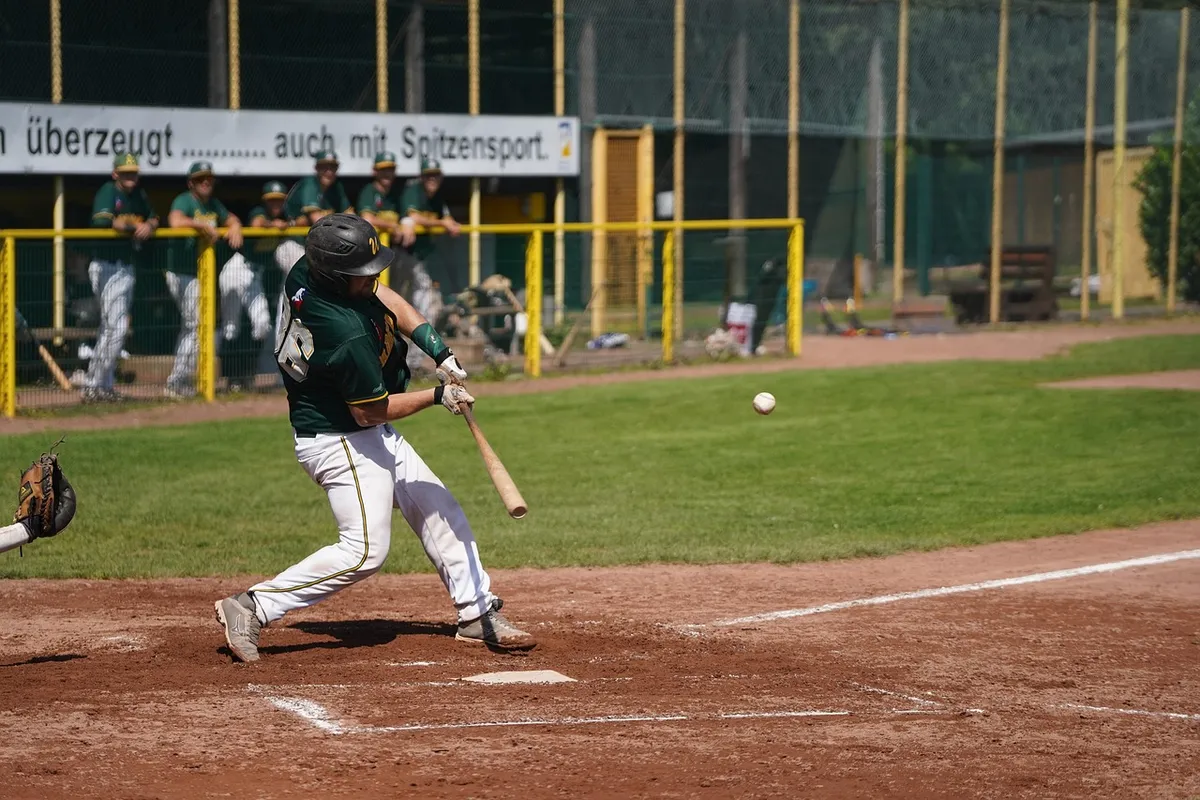
While the Americans utilized talent from the professional minor league systems, other nations maintained a different standard of player availability.
The focus on development was a necessity of the era. The team often relied on the high level of play found in the minor leagues to remain competitive on the world stage.
How did amateurism in Olympic baseball affect international results?
The quiet tension of a scoreless inning highlights the stakes of international rivalry. The legacy of amateurism in Olympic baseball left a lasting impact on how nations approached roster construction.
During the period when professional talent was limited in the United States, the Cuban national team continued to use its best players. This created a structural disparity where the Cubans fielded elite talent while the Americans utilized players from the minor leagues.
This imbalance defined much of the competition in the early 2000s.
The difference in playerly levels meant that games were often decided by the depth of the professional pipelines. Nations with established, state-supported or highly centralized talent pools held a different kind of advantage.
How did national team baseball changes impact the global game?
A group of players gathers at the airport, preparing for their next international assignment. The broad strokes of national team baseball changes reflected the tension between professional leagues and international governing bodies.
The landscape of international play was shaped by the relationship between professional leagues and the Olympic committee. For instance, the United States Baseball Federation, doing business as USA Baseball, serves as the national governing body for baseball in the United States.
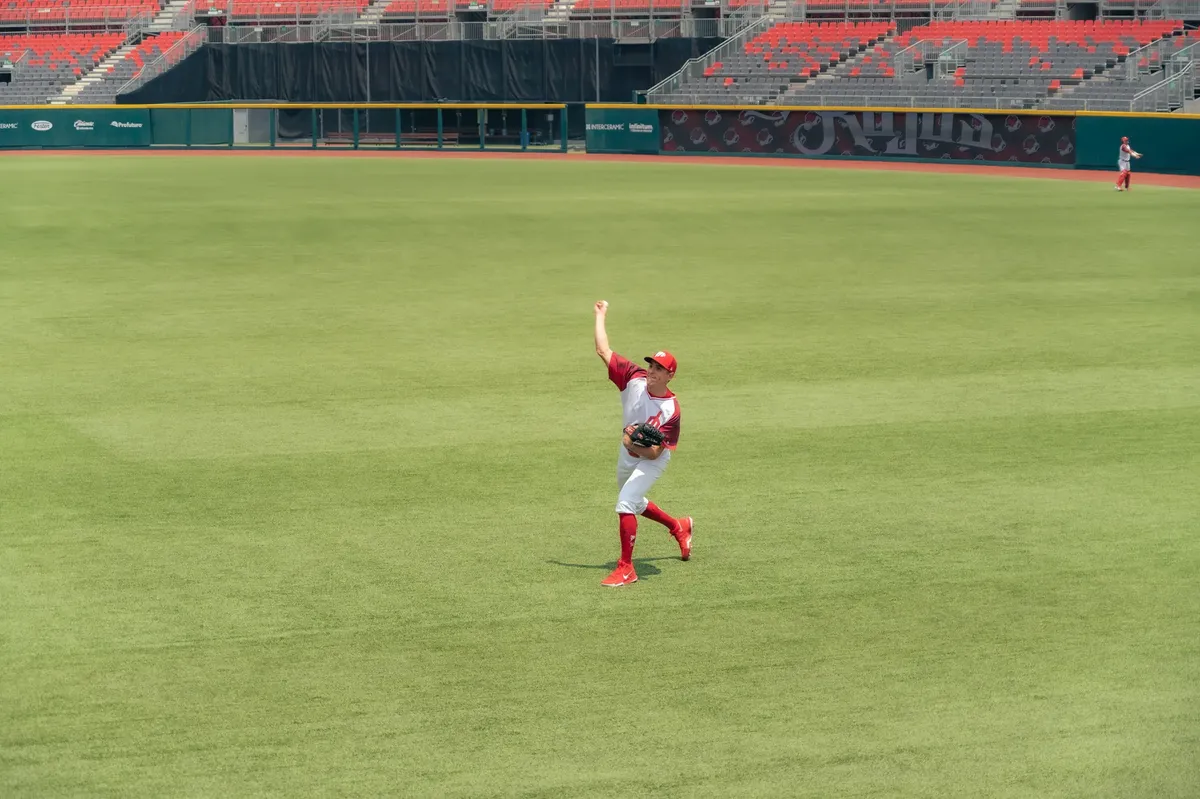
While they do not have jurisdiction over Major League Baseball, they work to develop the sport through these international windows.
This cooperation between governing bodies and professional leagues helped navigate the transition into the professional era. It allowed for a structured way to represent the country despite the lack of MLB-level players in some years.
What was the impact of the Olympic baseball player mix on competition?
A scout watches a pitcher warm up, noting the difference in velocity and control. Understanding the Olympic baseball player mix requires looking at how different nations balanced their rosters.
The mix of players varied wildly between the 2000 and 2008 Olympics. For the United States, the rosters were often built around players moving through the professional minor league systems.
In contrast, teams like Cuba were able to field their absolute best players, creating a unique competitive dynamic.
The disparity in roster strength was a constant factor in tournament outcomes. Success often depended on how well a nation could bridge the gap between their domestic professional standards and the Olympic stage.
How did the 2020 Olympic bid affect the sport?
The empty seats in a stadium during an off-season reflect the uncertainty of the sport's future. The movement to include baseball in the Olympics saw significant political shifts within the sporting world.
On April 1, 2011, the IBAF and the International Softball Federation announced they were preparing a joint proposal to revive play of both sports at the 2020 Summer Olympics. However, the path to reinstatement was not guaranteed.
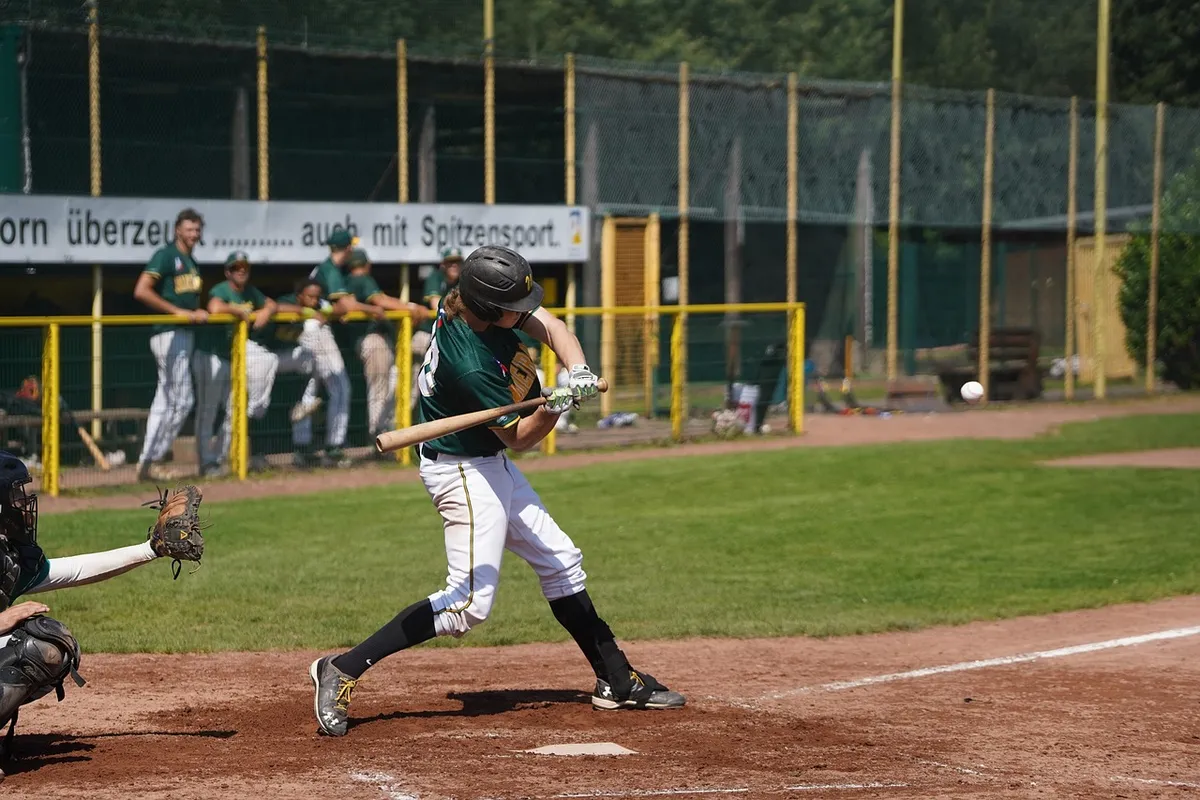
On September 8, 2013, the International Olympic Committee voted to reinstate wrestling, which defeated the combined baseball-softball bid for the 2020 Summer Olympics.
These decisions highlighted the precarious nature of Olympic sports. The struggle to maintain a presence in the Games forced governing bodies to constantly rethink their strategies for player recruitment and international visibility.
- How did the professional era change the Olympic baseball team makeup?
- What were the historical US baseball strategy shifts?
- How did amateurism in Olympic baseball affect international results?
This part also covers How team composition affects wins.
This part also covers Impact of amateur rules on play.
Related





Comments 0