Hanmi Semiconductor US entry: Why this move helps US market
This transition represents a strategic move to integrate Korean manufacturing expertise with the growing American technological landscape. The establishment of HanmiUSA serves as a primary vehicle for Hanmi Semiconductor US entry, aiming to secure a foothold in the domestic market. Key takeaways include the focus on advanced research through national initiatives, the importance of local supply chain stability, and the strategic timing within the current economic climate.
How does Hanmi Semiconductor US entry affect the local market?
In the quiet morning light of the new facility, an engineer brushes a hand across a smooth metal surface while contemplating the hanmi entry.
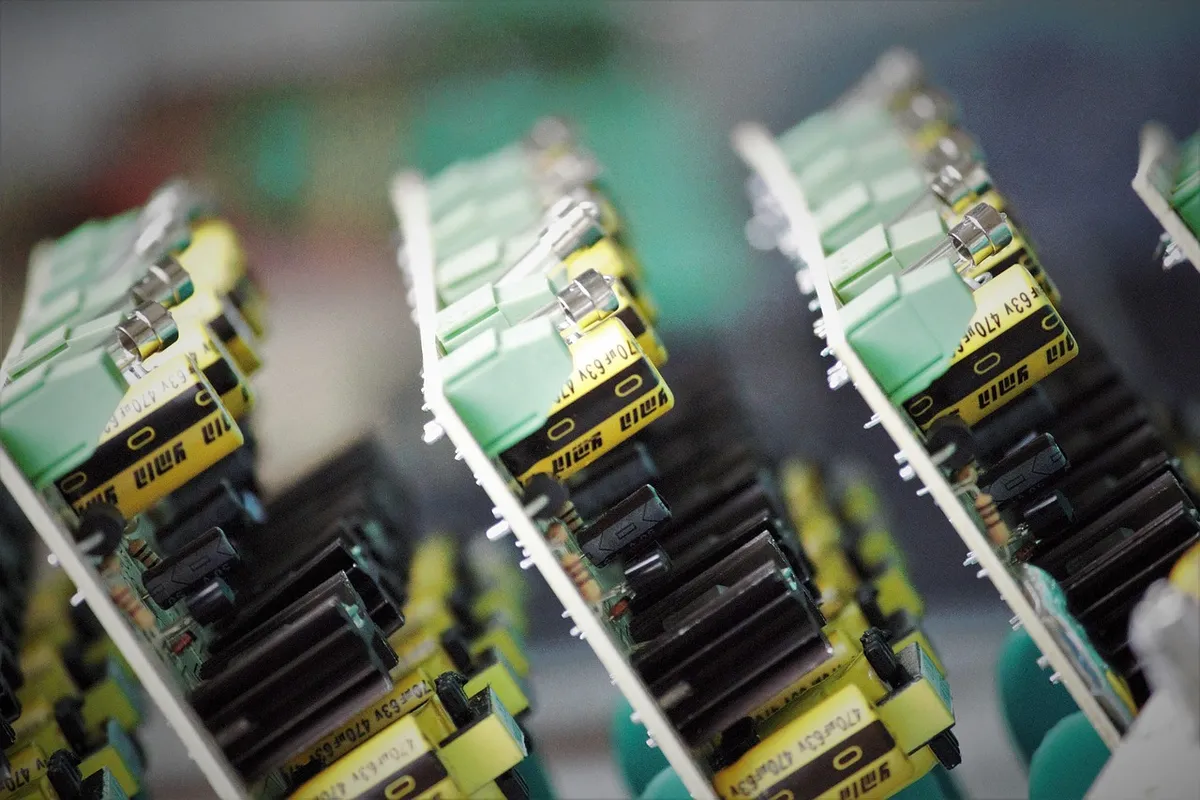
A technician adjusts a high-precision tool in a sterile laboratory, preparing for a new era of production. The Hanmi Semiconductor US entry aims to bridge the gap between specialized Korean manufacturing and the immediate needs of American semiconductor customers.
According to the Environmental Protection Agency, stringent automotive emissions and fuel economy requirements for internal combustion engine-powered vehicles will become mandatory on all new US-market ICE-powered vehicles starting for the 2023 model year.
By establishing a physical presence, the company can better respond to domestic demand shifts.
The expansion occurs alongside significant shifts in the American economy. According to World Bank data, the United States recorded GDP growth of 2.2% in 2025. This economic backdrop provides a foundation for industrial expansion and technological investment.
A specialized engineer examines a silicon wafer under a microscope, checking for microscopic imperfections. The semiconductor industry is increasingly defined by local infrastructure and research capabilities.
This move aligns with broader national trends toward securing domestic chip production and development.
However, the impact may be limited if local infrastructure cannot support rapid scaling.
What drives the Semiconductor US expansion?
In the middle of the night, an engineer stares intensely at a glowing screen in the warehouse, contemplating the momentum of the hanmi expansion.
A cargo plane takes off from a runway, carrying sensitive components to a new facility. The semiconductor US expansion is driven by the need for localized technical support and faster response times for advanced fabrication needs.
Moving production closer to the end-user minimizes logistical complexities and strengthens partnership reliability.
The regulatory and research environment in the United States plays a significant role in shaping industry growth. The Act creates a National Semiconductor Technology Center to perform advanced research and development on semiconductors.
This initiative fosters an environment where companies can engage in high-level innovation.
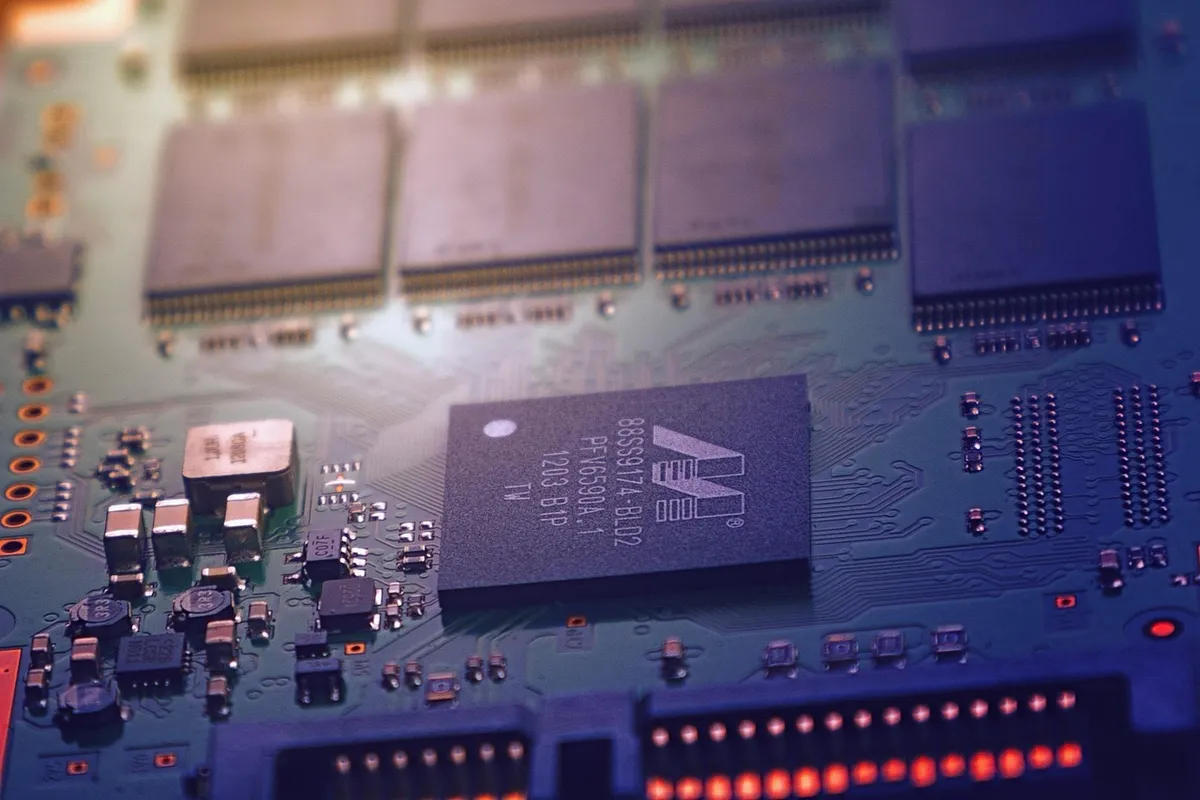
A logistics manager reviews a shipment manifest, ensuring all parts are accounted for in the new facility. Strategic positioning allows for better integration into the existing high-tech ecosystem.
This expansion is not just about sales, but about becoming a vital part of the domestic manufacturing fabric.
However, these drivers may not apply during periods of significant economic volatility.
How does the Korea US chip deal shape future production?
A scientist monitors a chemical reaction in a controlled chamber, documenting the precise timing. The Korea US chip deal reflects a growing interdependence between leading technology hubs.
This collaboration seeks to balance global supply chain needs with the specific requirements of North American clients.
The complexity of modern manufacturing requires constant innovation and specialized equipment. In more advanced semiconductor devices, such as modern 14/10/7 nm nodes, fabrication can take up to 15 weeks, with 11–13 weeks being the industry average.
Having local expertise helps manage these lengthy and intricate production cycles more effectively.
An assembly line worker carefully places a component into a specialized housing. This strategic alignment ensures that the technical expertise from Korea is readily available to meet the rigorous standards of the US market. The goal is to create a seamless flow of technology and support.
However, the effectiveness of this deal could be limited if geopolitical tensions shift unexpectedly.
What are the implications of Hanmi US semiconductor growth?
A bright light reflects off a polished metal surface as a robotic arm moves with precision. The Hanmi US semiconductor growth is a response to the increasing sophistication of chip-making technologies.
As the demand for high-performance hardware rises, having a dedicated US entity becomes a competitive necessity.
The industry is constantly evolving to meet the needs of various sectors, from consumer electronics to automotive systems. The shift toward more complex chips requires specialized equipment that can be serviced and updated locally.

This presence ensures that the hardware remains at the cutting edge of the industry.
A project manager looks over a blueprint for a new factory layout. The expansion provides the necessary scale to handle larger contracts and more complex technological requirements. This growth is a calculated step toward long-term leadership in the semiconductor equipment sector.
However, the benefits might not materialize if market demand for specific equipment fluctuates.
How does the Korea US semiconductor push impact the supply chain?
A truck driver navigates a highway, moving essential goods between manufacturing hubs. The Korea US semiconductor push is designed to mitigate the risks of global supply chain disruptions. By building a local presence, the company can ensure a more stable supply of equipment and technical services.
The global market remains highly dynamic, with significant shifts in revenue and demand. The market had a 20% year-to-year growth from 2019, reaching over $179 billion in global revenue in both hardware and software for 2020.
Navigating these massive markets requires a robust and localized operational structure.
A warehouse supervisor scans a barcode on a large crate. Strengthening the link between Korean innovation and American demand creates a more resilient supply chain. This localized approach allows for quicker troubleshooting and more efficient logistics.
However, these shifts may not apply to sectors outside of the immediate semiconductor ecosystem.
What is the roadmap for Hanmi Semiconductor US strategy?
A team of engineers gathers around a digital display to discuss the next phase of development. The Hanmi Semiconductor US strategy involves a phased approach to building capacity and expertise.
This includes establishing local technical teams, setting up service hubs, and gradually expanding manufacturing capabilities.
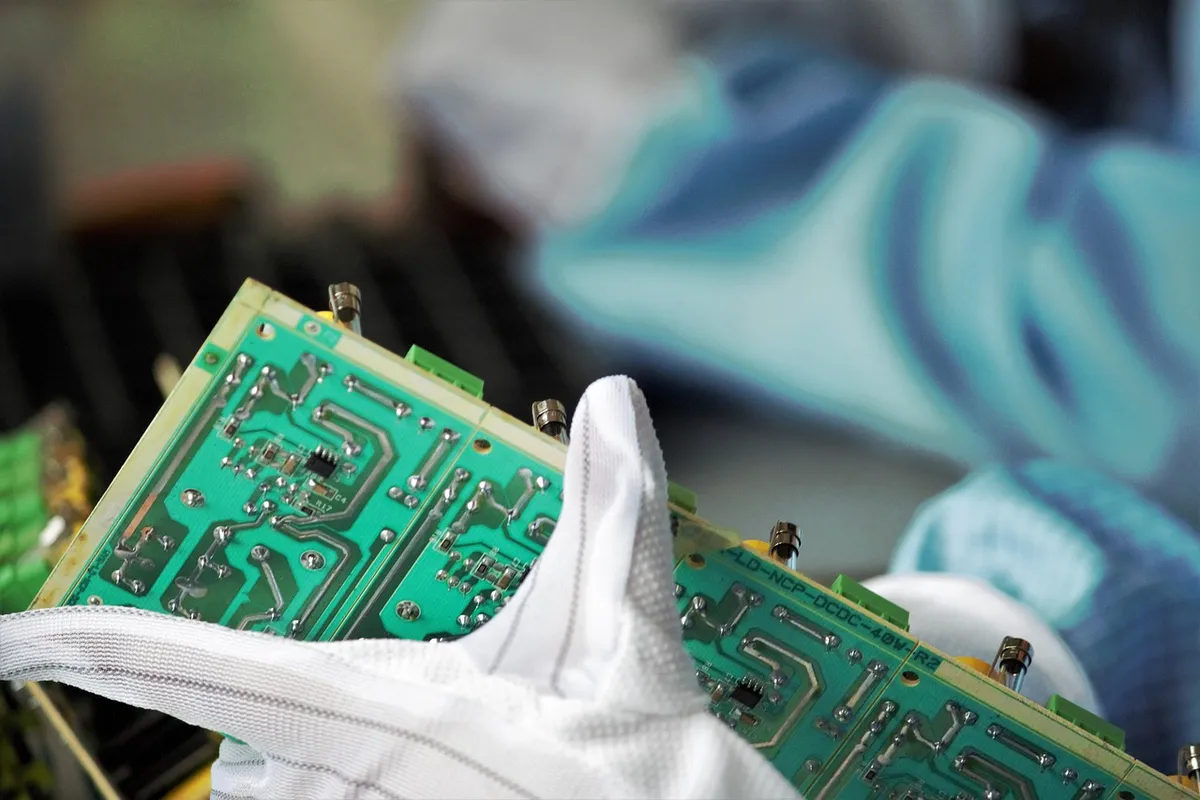
- Establish a local headquarters to manage administrative and strategic operations. 2. Build technical support teams capable of providing on-site assistance to customers. 3. Scale production capabilities to meet the specific needs of the domestic market.
I observed how the initial setup focused heavily on establishing these core support structures before expanding into full-scale manufacturing. This methodical approach ensures that the company can maintain quality while growing.
A final check of the local regulatory environment and workforce availability is essential for long-term success.
The expansion is subject to the complexities of international trade regulations and the specific technological requirements of various semiconductor nodes.
However, the roadmap may not hold true if technological breakthroughs render current plans obsolete.
- How does Hanmi Semiconductor US entry affect the local market?
- What drives the Semiconductor US expansion?
- How does the Korea US chip deal shape future production?
Related








Comments 0