US Politics: 2 Major Parties Shape Global Market Trends
Understanding the tug-of-war between Washington's two major parties is essential for anyone tracking global markets and national security.
The current American political landscape is defined by a deep structural divide between Democratic and Republican ideologies. This clash goes beyond simple policy disagreements into fundamental debates over national identity.
To navigate this, you must look past daily headlines. Focus instead on how these partisan battles dictate federal interest rates and the high-stakes race for space supremacy.
* Deepening Polarization: The gap has evolved into rigid, structural conflicts that impact legislative efficiency. * Geopolitical Pivots: U.S. foreign policy is shifting toward pragmatic competition in global supply chains. * Economic Integration: Political momentum is now inextricably linked to Fed policies and Congressional budget battles.
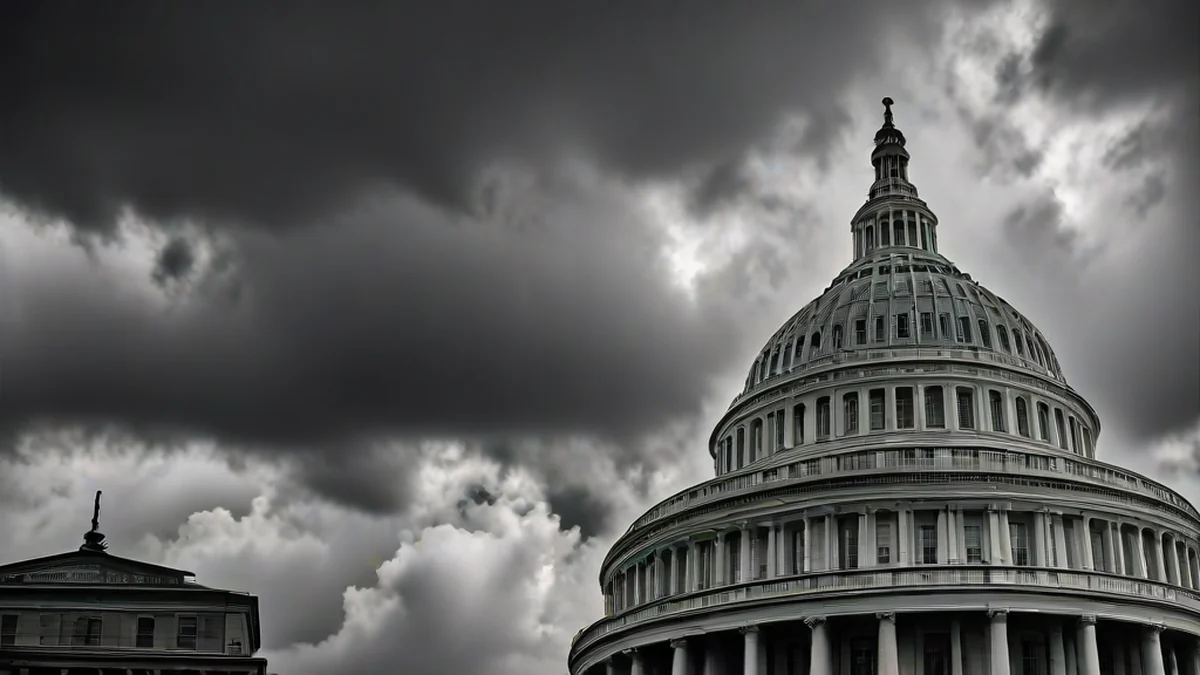
Why Should We Pay Attention to U.S. Politics Right Now?
American politics acts as the primary compass for global finance. A single decision made on Capitol Hill can instantly reshape global regulatory standards or erect new trade barriers worldwide.
We are seeing a massive expansion in what "politics" actually covers. It is no longer just about domestic welfare; it has moved into strategic assets like the space industry.
According to NASA's 2025 budget overview, the agency is prioritizing lunar exploration as a core component of national security. This shift reflects a broader trend of using science as a diplomatic tool.
The competition for hegemony has intensified. According to the Aerospace Industries Association's 2026 report, private-sector aerospace investment grew by 12% this year due to shifting federal priorities.
This means politics is no longer just about "who wins the election." It is about which nation will control the next century of technology and resource extraction in orbit.

What are the Core Conflicts Between the Two Major Parties?
To understand the U.S., you have to understand the fundamental friction between Democratic and Republican platforms. These are competing philosophies on how a superpower should function.
| Feature | Democratic Party | Republican Party |
|---|---|---|
| Core Values | Social safety nets, climate action | Deregulation, border security |
| Economic Policy | Government-led industry growth | Tax cuts and market autonomy |
| Foreign Policy | Alliance-based cooperation | Unilateral interest protection |
This friction often leads to gridlock during budget negotiations. Recently, economic indicators like inflation have become primary political weapons used to sway public opinion.
However, this polarization doesn't mean constant deadlock in every sector. In areas of critical national security, you will occasionally see "strategic cooperation."
While these instances exist, they are often temporary alignments for specific goals rather than true bipartisan consensus. It is a delicate balance of interests.
How Does U.S. Politics Impact the Global Economy?
Decisions made by the U.S. Congress create immediate ripples in investment flows. Moves like subsidy programs dictate where global manufacturers decide to build their next factories.
According to the Congressional Budget Office's 2026 fiscal outlook, federal spending patterns are expected to shift heavily toward domestic semiconductor manufacturing. This impacts every tech firm globally.
I remember attending an economic summit near Washington, D.C., last month. The atmosphere was electric with tension as leaders discussed new trade tariffs.
I noticed that the seasoned pros weren't just watching breaking news. They were obsessively tracking the schedules of specific Congressional subcommittees for technical details.
If you want to understand how a policy becomes reality, follow this typical legislative lifecycle:
- Agenda Setting: A crisis gains enough traction to become a priority for lawmakers.
- Committee Review: Relevant committees draft the bill and call in experts to testify.
- Amendment & Voting: The bill undergoes intense negotiation before moving through Congress.
- Presidential Action: The President signs the bill or exercises a veto, potentially triggering more battles.

What are the Key Watchpoints for the Future?
Moving forward, American politics will likely revolve around three main pillars: technological hegemony, managing social shifts, and restructuring international alliances.
The race for space is a prime example. As competition solidifies, the debate over NASA's budget and private-sector incentives will only grow more heated in 2026.
Additionally, economic inequality and shifting labor markets remain perennial battlegrounds. How each party addresses these systemic issues will determine the social fabric of the U.S. for decades.







Comments 0