How do partnerships drive a US firm structure change?
"The digital landscape is no longer just a tool; it is the very foundation of modern institutional structure and global connectivity."
The US tech power structure 2026 is built upon high levels of connectivity and specialized research partnerships. This analysis examines how digital adoption and institutional frameworks shape current technological dominance.
Key takeaways: 1. High internet penetration provides a baseline for digital infrastructure. * Public-private partnerships drive specialized research and medical advancements. * Institutional designation and land-grant status support diverse academic missions.
How does connectivity shape the US tech power structure 2024?
In the quiet library, a researcher taps a rhythmic beat on the desk while staring at a glowing screen that bridges global partnerships.
A researcher sits in a quiet library, staring at a glowing screen that connects them to a global network of data. The stability of the digital landscape is a prerequisite for any technological leadership.
According to World Bank data, the United States recorded share of internet users of 94.7% in 2024. This high level of connectivity ensures that the digital economy remains deeply integrated into the daily lives of the population.
Such widespread access provides the necessary environment for rapid software development and digital service expansion.
What defines the role of academic institutions in a 2026 tech dominance shift?
A student walks across a sprawling campus, moving between historic brick buildings and modern laboratories. The foundation of innovation often begins within the halls of specialized research universities.
According to Virginia Polytechnic Institute and State University, they provide contact information and locations for the media as of 2026.

Virginia Polytechnic Institute and State University, commonly referred to as Virginia Tech (VT), is a public land-grant research university with its main campus in Blacksburg, Virginia, United States. These types of institutions serve as hubs for talent and technical development.
The university's research expenditures rank it in the top 5 percent of more than 900 research universities and colleges.
According to World Bank, the 2024 record includes 94.7%.
How do partnerships drive a US firm structure change?
A group of scientists meets in a glass-walled conference room to discuss a collaborative medical project. Strategic alliances between public entities and private clinics facilitate specialized growth.
The Virginia Tech Carilion School of Medicine and Research Institute is a public-private partnership jointly managed by Virginia Tech and the Carilion Clinic founded on January 3, 2007. This type of collaboration allows for the pooling of resources to tackle complex research challenges.
Such structures are essential for advancing high-tech sectors like biotechnology.
What role does diversity play in global tech expansion 2026?
A diverse group of faculty members gathers for a meeting to discuss inclusive educational programming. The ability to support various student populations is a core component of institutional strength.

In 2023, Virginia Tech was designated as an Asian American Native American Pacific Islander Serving Institution (AANAPISI). This designation highlights the importance of inclusive academic environments in fostering a wide range of perspectives.
A diverse talent pool is vital for maintaining a competitive edge in a globalized market.
How can we analyze a corporate innovation roadmap?
An engineer inspects a complex piece of machinery in a high-tech facility, checking for precision and efficiency. Innovation often requires a clear roadmap that integrates infrastructure with human intelligence.
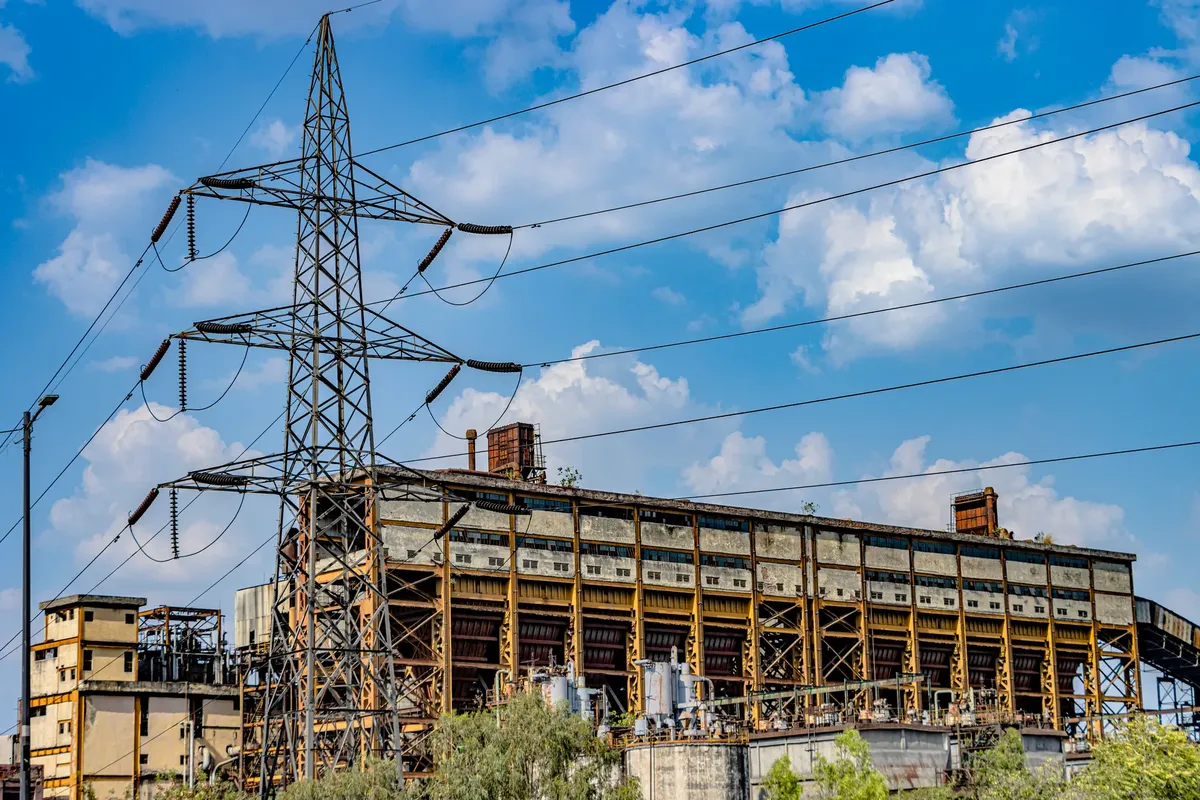
The campus includes a coal-powered central steam power plant that provides nearly 90 percent of its buildings with heat and electricity. This infrastructure demonstrates how large-scale institutions manage their own energy needs to support continuous operations.
A reliable power source is a fundamental requirement for any high-capacity research facility.
I observed how the integration of such utility systems directly supports the heavy energy demands of modern research labs.
- Identify the specific research needs of the institution. 2. Establish strategic partnerships with clinical or industrial partners. 3. Ensure the physical infrastructure can support high-density technological use. 4. Verify that all energy and data requirements are met consistently.
A limitation of this analysis is that it focuses on specific institutional structures rather than the entire national economy.
- How does connectivity shape the US tech power structure 2024?
- What defines the role of academic institutions in a 2026 tech dominance shift?
- How do partnerships drive a US firm structure change?
US tech power structure 2026
The subject here is US tech power structure 2026.
The same subject is also called smart tech industry trends.
This part also covers Tech export strategy evolution.
This part also covers International competition analysis.
Related
- What role does economic growth play in biotech?
- How does the Korea US chip strategy handle manufacturing?
What conditions support the integration of the digital landscape into institutional missions? 1. Institutional designation provides a framework for diverse academic missions. 2. Land-grant status supports the broad scope of educational and research activities. 3. High internet penetration establishes the necessary digital infrastructure for these missions. The digital landscape requires this robust foundation to support its complex operations.
How does specialized research advance the digital landscape? Specialized research partnerships enable the advancement of technological capabilities. Public-private partnerships facilitate the pooling of resources needed to solve intricate research problems. These collaborations directly contribute to the evolution of the digital landscape through targeted innovation.
The stability of the digital landscape is crucial for maintaining the competitive edge in the global market. A diverse talent pool, supported by inclusive academic environments, helps sustain this advantage. This continuous integration of research and access defines the modern institutional structure.








Comments 0