What is the job impact from tech shift for the workforce?
"The rapid acceleration of technological infrastructure often signals a fundamental shift in how nations maintain economic and strategic leadership."
The US 2026 tech shift impact is characterized by significant capital movement toward quantum computing and specialized research sectors. This transition involves massive federal investment and shifting private sector participation to secure future industrial dominance.
Key takeaways include a multi-billion dollar push for quantum leadership, the historical context of research funding, and the economic baseline of recent growth.
How is the US 2026 tech shift impact reshaping leadership?
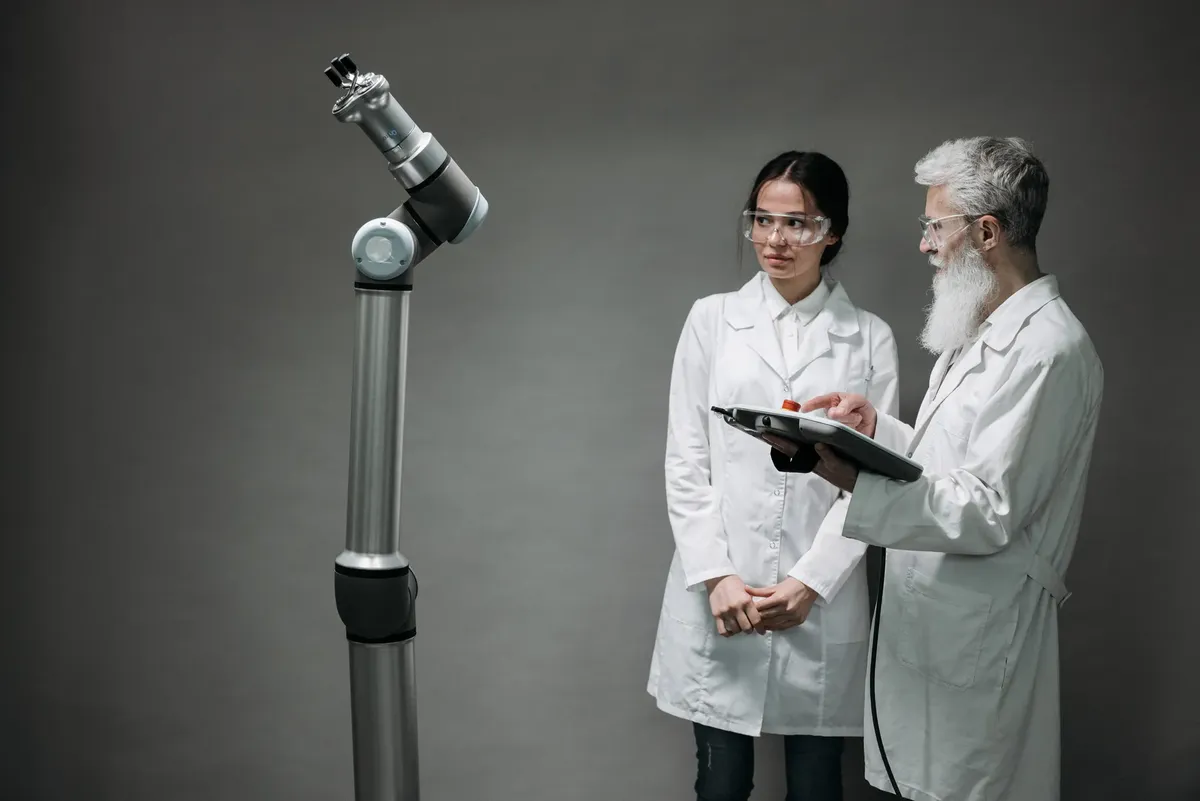
At dawn in the silent boardroom, the CEO stares at the flickering screen and feels the sudden impact of a changing era.
A desk in a government office sits silent before a major announcement regarding the future of computing. The Department of Commerce has announced letters of intent with nine companies for $2 billion to accelerate U.S.
This move aims to solidify a technological advantage through targeted investment.
The 2026 industry change US landscape is being defined by these strategic capital injections. By focusing on quantum capabilities, the government seeks to catalyze a new era of processing power and security.
This investment serves as a foundation for future industrial applications that could redefine domestic manufacturing and data security.
What does the US economic transition 2026 look like?
Standing in the bustling plaza at noon, the investor feels the heavy impact of shifting markets as the wind chills their skin.
A researcher reviews growth reports on a tablet while sitting in a quiet library. The economic backdrop of this transition is rooted in steady, albeit moderate, historical performance. According to World Bank data, the United States recorded GDP growth of 2.2% in 2025.
This growth provides the fiscal stability necessary to support large-scale technological shifts. An US economic transition 2026 requires this level of foundational stability to absorb the costs of innovation.
Such growth helps ensure that the transition from traditional industries to high-tech sectors remains manageable for the broader economy.
How does the future of US industry tech compare to historical funding?
An archivist flips through old ledger books detailing the history of scientific progress. To understand the current shift, one must look at how research has been financed over the decades.
In the year 2000, for-profit industry funded 57% of medical research in the United States, while non-profit private organizations like the Howard Hughes Medical Institute funded 7%.
The shift toward private-sector dominance was already visible in previous decades. By 2003, the NIH funded only 28% of medical research funding, whereas funding by private industry increased 102% from 1994 to 2003.
This historical trend of increasing private involvement mirrors the current push for corporate-government partnerships in quantum technology.
What is the job impact from tech shift for the workforce?
A worker stares at a glowing screen in a darkened room, reflecting on a changing career path. The transition toward highly specialized tech sectors often creates a mismatch between current skills and new requirements.
While the industry evolves, the workforce must adapt to more complex, automated, and data-driven roles.
The job impact from tech shift can be disruptive for those in traditional sectors. As industries move toward quantum-ready infrastructures, the demand for specialized knowledge increases.
This necessitates a focus on retraining and educational alignment to ensure the workforce remains competitive during the transition.
How will consumer behavior tech change affect the market?
A shopper looks at a new device in a brightly lit retail store, considering its utility. The integration of advanced technology into daily life changes how products are perceived and utilized.
As quantum computing and other innovations mature, they will eventually trickle down to consumer-facing applications.
This consumer behavior tech change will likely drive demand for more secure and faster personal devices. As the underlying technology becomes more powerful, the expectations for speed and reliability will rise.
Companies that successfully bridge the gap between industrial innovation and consumer utility will lead the market.
What is the market expansion tech growth strategy?
An engineer adjusts a delicate component on a laboratory workbench. The current movement toward quantum leadership is a form of directed market expansion. By securing the fundamental technology of the future, the nation aims to create a robust ecosystem for new industries to emerge.
The market expansion tech growth strategy relies on being at the forefront of the next computational revolution. These $2 billion commitments are designed to create a multiplier effect across various sectors.
This ensures that the technological leap leads to broad-based industrial growth rather than isolated breakthroughs.

Wikipedia: Science and technology in the United States (full) Based on the retained excerpt mentioning NIH: As of 2000, for-profit industry funded 57%, non-profit private organizations such as the Howard Hughes Medical Institute funded 7%, and the tax-funded National Institutes of Health (NIH) funded 36% of medical research in the United States.
- How is the US 2026 tech shift impact reshaping leadership?
- What does the US economic transition 2026 look like?
- How does the future of US industry tech compare to historical funding?
The subject here is US 2026 tech shift impact.
The same subject is also called tech innovation market shift.
Related
What conditions necessitate this rapid acceleration of technological infrastructure? 1. The need to secure future industrial dominance compels the massive federal investment. 2. The focus on quantum capabilities suggests a condition where current processing power is insufficient for future demands. 3. The historical context of research funding shows a trend toward private sector involvement, mirroring the current push for corporate-government partnerships.
This rapid acceleration is a response to the evolving landscape where technological advantage is tied to early adoption of quantum computing. The government's targeted investment aims to catalyze processing power that redefines domestic manufacturing. This strategic capital injection is necessary to maintain leadership in a swiftly changing global environment.








Comments 0