US AI drug discovery shift: Tips for digital pipelines
"The convergence of computational power and biological data is reshaping how we approach the next generation of medicine."
The US AI drug discovery shift is currently being driven by rapid advancements in data processing and machine learning. This transition aims to shorten the timeline from molecular identification to clinical application, though it remains subject to regulatory scrutiny and historical industry shifts.
Key takeaways: * The transition toward digital intelligence in pharmaceutical research is accelerating. * Regulatory oversight continues to shape how companies manage drug portfolios during mergers.

* Historical decisions regarding drug availability highlight the tension between business and patient needs.
How does the US AI drug discovery shift impact traditional research?
At midnight in the quiet lab, the researcher rubs tired eyes while watching the screen simulate a new drug molecule.
A researcher sits before a glowing monitor, inputting complex chemical structures into a predictive model. This digital environment replaces much of the trial-and-error manual labor previously required to identify viable drug candidates.
The industry is moving toward more efficient models where algorithms predict how molecules interact with biological targets. This shift aims to reduce the high failure rates seen in traditional wet-lab environments.
While digital tools provide speed, the physical validation of these findings remains a critical bottleneck.
The impact of AI on drug pipeline management is often seen in how companies prioritize specific chemical classes. By using predictive analytics, researchers can focus on candidates with the highest probability of success.
This foresight helps manage the massive capital requirements of modern drug development.
In this sequence, the first step is the most significant.
What role does data play in US drug development AI?
A data scientist cleans a massive dataset, ensuring that the information used to train a model is accurate and representative. Without high-quality data, the predictive power of any pharmaceutical algorithm vanishes.
The effectiveness of AI in pharma breakthrough scenarios depends entirely on the quality of the underlying biological and chemical data. High-resolution data allows for more precise modeling of drug-target interactions.
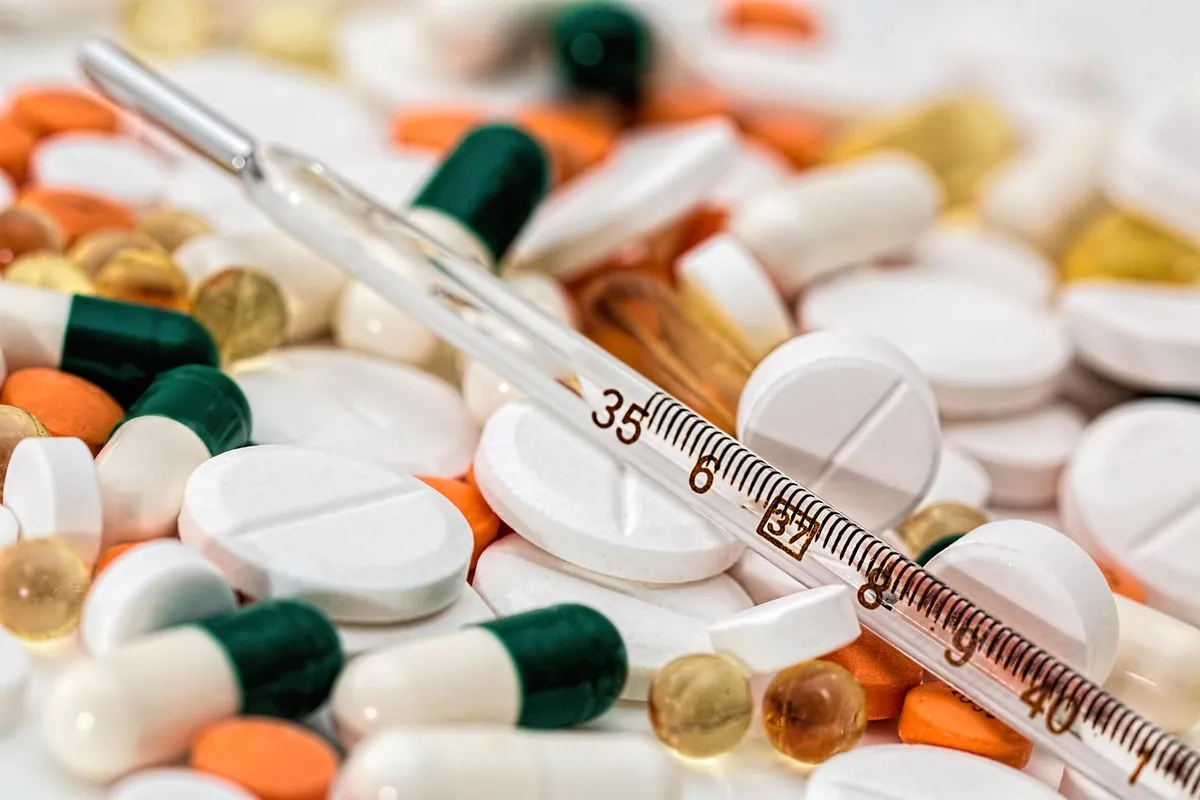
This precision is essential for moving from theoretical models to actual laboratory tests.
The future of pharmaceutical research is increasingly reliant on these digital datasets to simulate human biological responses. As these models grow more sophisticated, they may eventually reduce the need for extensive early-stage animal testing.
However, the data must reflect the complex reality of human physiology to be useful.
- Data collection
- Data cleaning
- Model training
According to World Bank, the 2024 record includes 94.7%.
How do regulatory bodies influence AI drug research trends?
Late at night in the empty office, the official sighs while flipping through thick documents that dictate the future of drug research.
A legal expert reviews a thick binder of compliance documents, ensuring every digital simulation meets federal standards. Regulatory oversight serves as the guardrail for all technological advancements in the medicine sector.
Regulatory bodies like the FDA maintain strict standards for how new drugs are validated, regardless of whether they were discovered via AI or traditional methods. This oversight ensures that the speed of technology does not compromise patient safety.
The transition to AI-driven discovery requires new frameworks for validating "black box" algorithms.
The US drug development AI landscape is heavily shaped by antitrust and safety regulations.
For instance, in 2011, Par Pharmaceutical completed a deal to acquire three products from Teva Pharmaceutical Industries because the US Federal Trade Commission required such a divestment before Teva could acquire Cephalon for $6.8 billion.
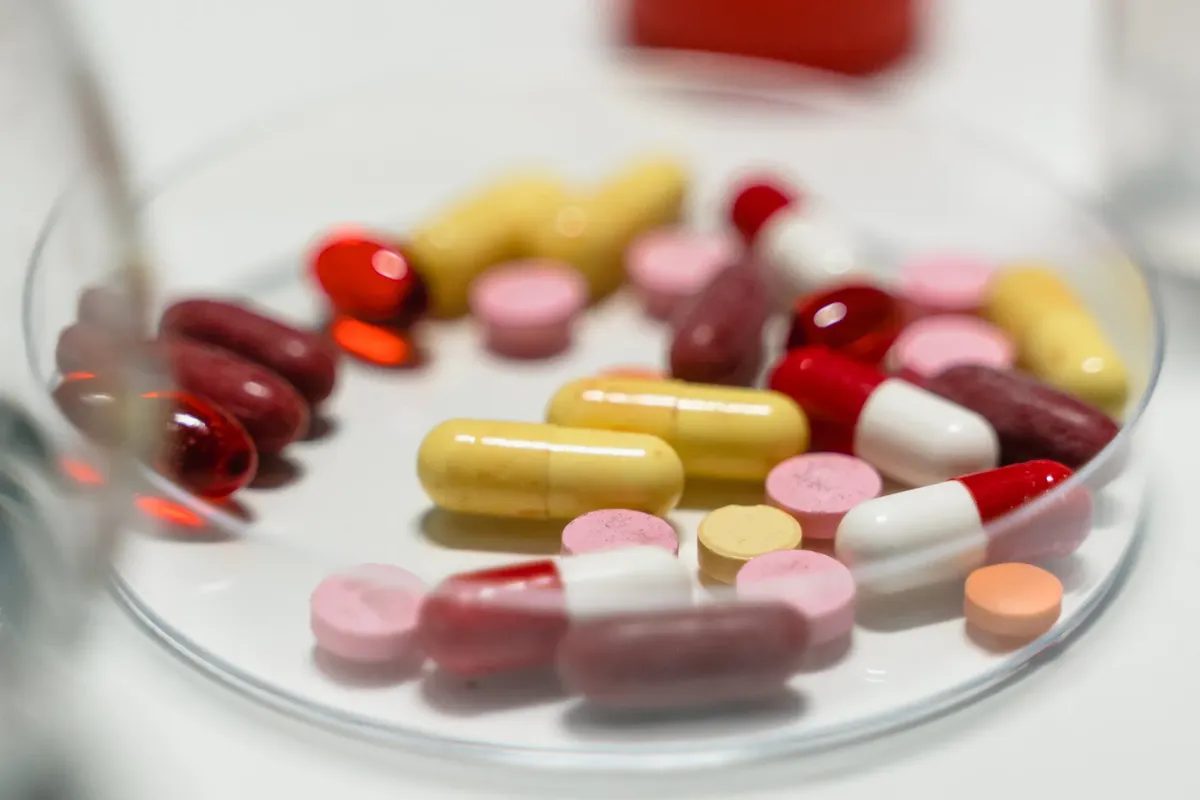
Such regulatory actions ensure that market consolidation does not stifle innovation or competition.
What are the risks of automating drug discovery?
A technician watches a robotic arm carefully move a pipette, wondering if a digital error could lead to a physical catastrophe. The bridge between digital prediction and physical reality is where the greatest risks reside.
One major risk is the potential for "hallucinated" results, where an AI identifies a molecule that looks perfect on screen but is impossible to synthesize or toxic in a living organism. Another risk involves the loss of human intuition that often catches subtle errors in biological data.
Ensuring that automated systems do not overlook rare side effects is a primary concern.
The AI revolutionizing medicine must also account for the ethical implications of automated decision-making. If an algorithm decides a certain drug line is no longer profitable, it could lead to sudden shortages.
We must ensure that the efficiency of AI does not come at the cost of accessibility for vulnerable populations.
How can companies manage the shift to digital pipelines?
A project manager organizes a meeting to transition a team from manual testing to an integrated digital workflow. Managing such a profound change requires both technical training and a shift in organizational culture.
To successfully integrate these technologies, companies should follow these steps:
- Integrate high-quality, standardized datasets into a centralized digital architecture to ensure model reliability. 2. Train laboratory staff to work alongside AI tools, bridging the gap between computational predictions and physical validation. 3. Establish rigorous internal audit protocols to verify that AI-generated leads are cross-checked against traditional biological assays.

I remember observing a team struggle to reconcile a highly successful digital prediction with a failed physical assay, highlighting the need for a hybrid approach. This experience underscored that digital models are tools, not replacements, for experimental science.
A limitation of this transition is that digital models cannot fully replicate the complexities of human biology, meaning physical testing remains mandatory.
World Bank Based on the retained excerpt mentioning World Bank: According to World Bank data, the United States recorded share of internet users of 94.7% in 2024.
The subject here is US AI drug discovery shift.
The same subject is also called New pharma tech US.
Impact of AI on drug pipeline
Related








Comments 0