US Korea semiconductor supply chain tips for managing growth
"The semiconductor industry remains a cornerstone of global economic stability, yet it is defined by intense fluctuations and rapid technological shifts."
The US-Korea semiconductor supply chain is currently navigating a landscape of record-breaking sales and extreme market volatility. This analysis explores how the industry manages these shifts through strategic capacity planning and addressing the massive demand for AI-ready hardware.
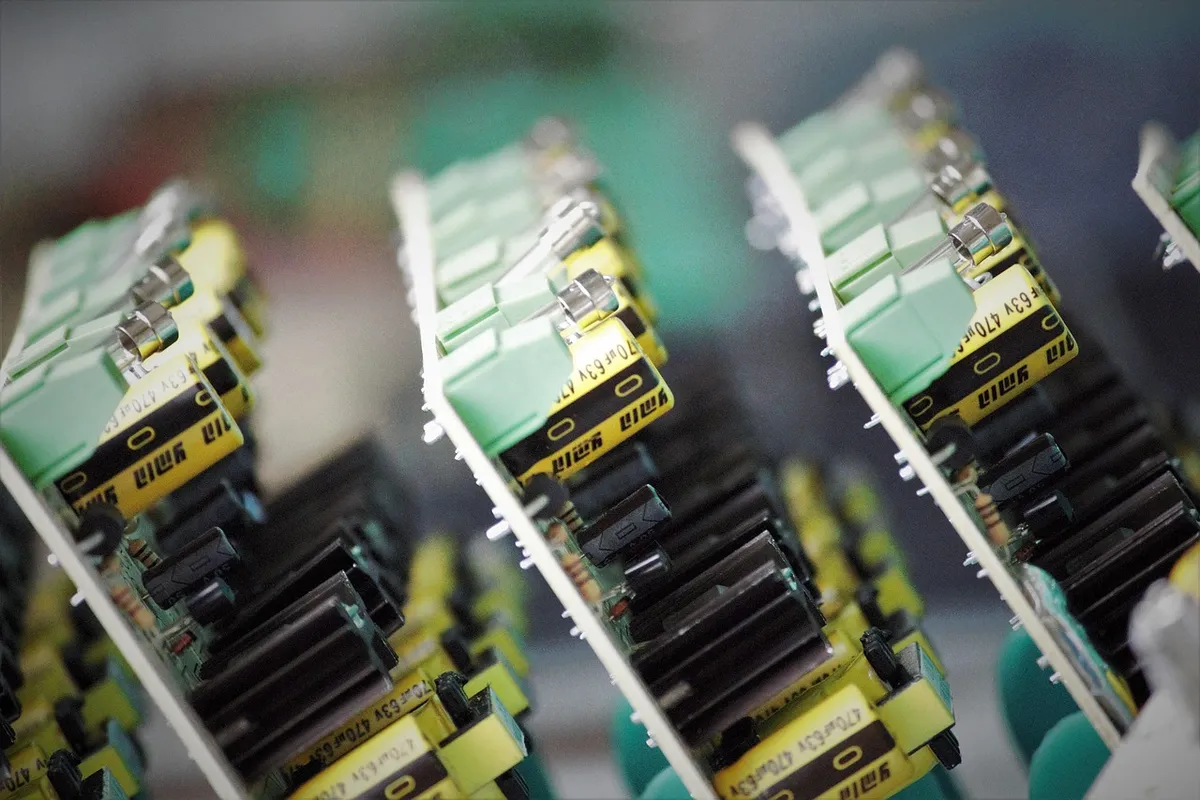
Key takeaways include understanding the drivers of the $791.7 billion market, managing supply shortages, and recognizing the impact of price surges on global manufacturing.
How does the US-Korea semiconductor supply chain handle record sales?
A technician adjusts a high-precision lithography tool in a sterile cleanroom, preparing for a high-volume production run.
The global market is experiencing unprecedented scale, with sales reaching a record $791.7 billion in 2025, up 25.6% due to artificial intelligence hardware demand, according to the Semiconductor Industry Association.
This surge requires a robust US-Korea semiconductor supply chain to maintain stability. While the Americas saw 30.5% growth in annual sales, the Asia Pacific region led with 45.0% growth, highlighting the importance of regional manufacturing hubs.
Managing this growth involves balancing massive capital expenditures with the need for rapid deployment of new technologies.
- Scale up production capacity to meet demand.
- Optimize logistics to ensure timely delivery.
- Implement real-time inventory tracking.
- In this sequence, the second step is the most extensive.
What drives the current US-Korea tech strategy? US Korea semiconductor supply chain
While reviewing glowing blueprints in the dark office, the engineer feels the weight of the current US-Korea tech strategy.
An engineer reviews a digital blueprint for a next-generation data center, noting the energy requirements for new server chips. The current US-Korea tech strategy focuses on securing the components necessary for AI-driven infrastructure.
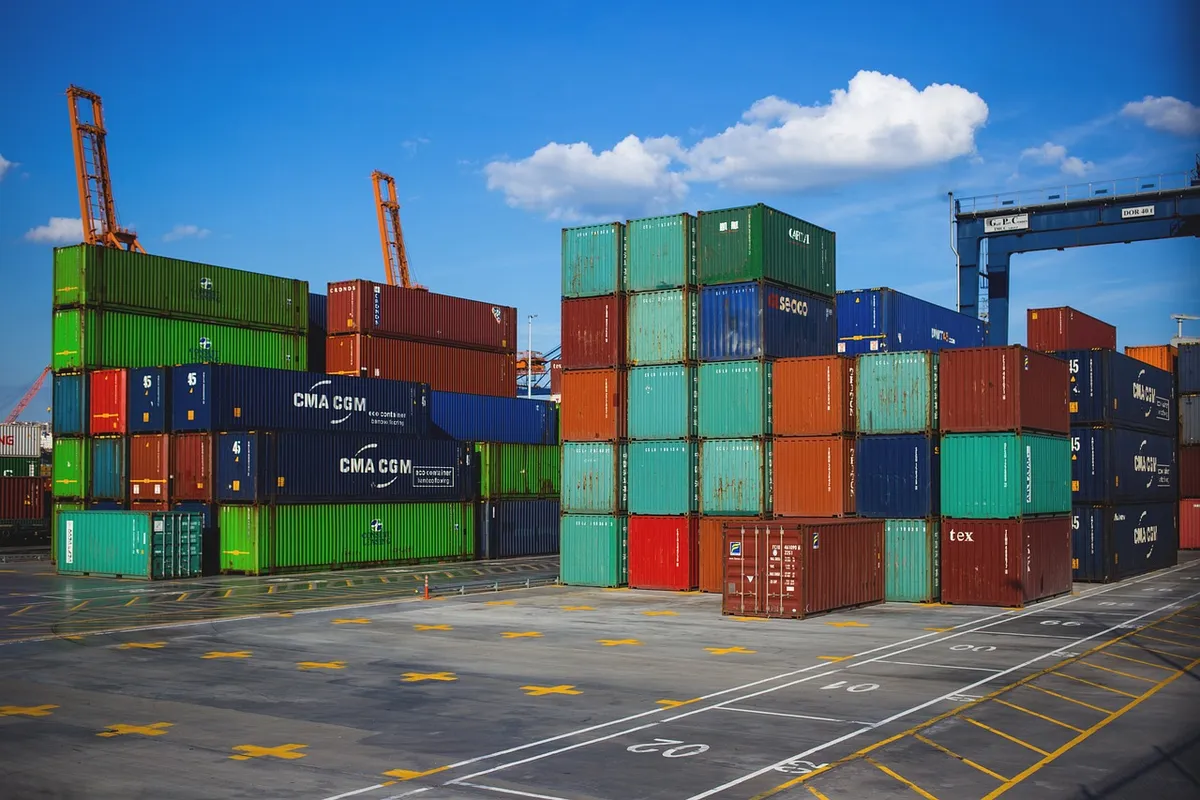
According to the Semiconductor Industry Association, the 25.6% growth in 2025 was largely driven by demand for artificial intelligence hardware. This demand creates a unique pressure on the semiconductor supply chain US-Korea partners must address.
In 2019, the market segment for networks and communications devices accounted for 32.4% of the total semiconductor market, a baseline that has expanded significantly with the rise of AI.
How does the global chip market entry affect manufacturing?
A logistics manager coordinates the shipment of silicon wafers between international fabrication plants. Navigating a global chip market entry requires understanding the geographic distribution of production and the risks of regional concentration.
Manufacturers headquartered in the United States maintain fabrication plants globally, with over 50% located in the Americas, 39% in the Asia-Pacific region, and 9% in Europe. This distribution supports the semiconductor supply chain US-Korea efforts to mitigate localized disruptions.
However, the industry must remain wary of the 20-year annual average growth of 13%, which is often accompanied by significant and dramatic cyclical swings.
What are the risks to semiconductor industry growth?
A factory supervisor monitors a dashboard showing a sudden dip in yield rates during a shift change. Maintaining semiconductor industry growth requires managing the inherent volatility that accompanies rapid expansion.
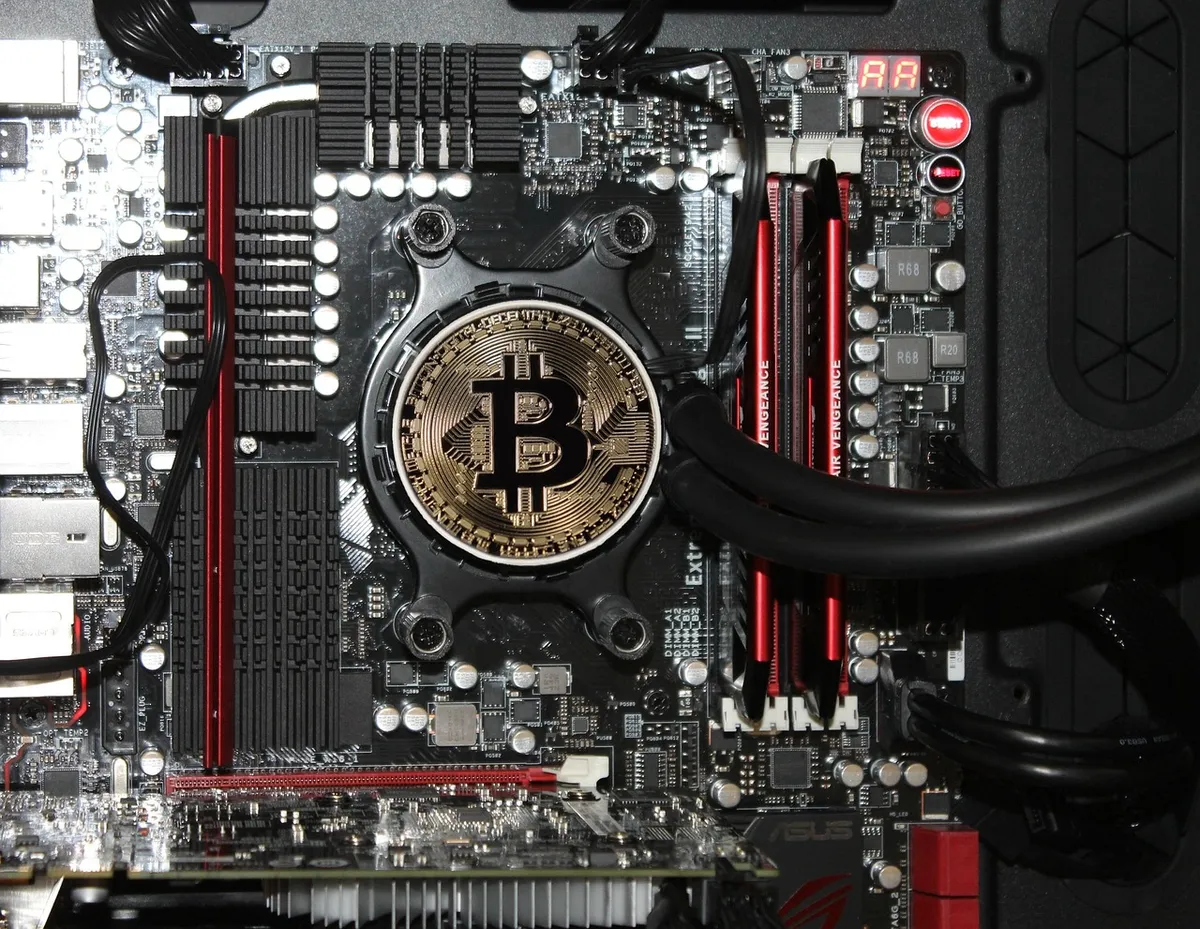
The industry faces significant risks from capacity shortages and price spikes. By 2026, increased demand for resources and the prioritization of server CPUs have led to shortage issues and forecasted price increases of as much as 15%.
These fluctuations can disrupt the delicate balance of the global supply chain, requiring companies to maintain flexible production schedules to remain competitive.
How can companies manage sudden price surges?
A procurement officer reviews a series of rising cost reports from various component suppliers. Managing price surges involves strategic inventory management and reassessing product portfolios.
In November 2025, contract prices for certain NAND wafer categories increased by more than 60% month-over-month. This volatility can lead to drastic shifts in corporate strategy, such as companies increasing inventory levels in anticipation of further rises.
For example, one company reported memory inventories were approximately 50% above normal levels to prepare for these unprecedented cost surges.
| Metric | 2025 Value | Growth/Change |
|---|---|---|
| Global Semiconductor Sales | $791.7 billion | +25.6% |
| Asia Pacific Annual Sales Growth | 45.0% | Leading Region |
I observed how these sudden shifts in the cost of memory and processing units force manufacturers to rethink their entire production roadmap.
A limitation of this analysis is that it does not account for potential geopolitical shifts that could alter the current regional distribution of fabrication plants.

Wikipedia: Video game industry (full) Based on the retained excerpt mentioning ESA: In the US, the industry earned about $9.5 billion in 2007, $11.7 billion in 2008, and US$25.1 billion in 2010, as per the ESA annual report.
World Bank Based on the retained excerpt mentioning World Bank: According to World Bank data, the United States recorded GDP growth of 2.2% in 2025.
The subject here is US Korea semiconductor supply chain.
The same subject is also called US Korea tech strategy.
This part also covers US semiconductor investment trends.
This part also covers Korea chip export success factors.
This part also covers Future of tech industry cooperation.
US semiconductor investment trends
Related
- K-bio US market strategy: Guide to regulatory hurdles
- Oil price impact on US society: Why energy policy shifts US
How does regional growth compare across the US-Korea supply chain?
The Asia Pacific region demonstrated a higher rate of sales expansion compared to the Americas. The Asia Pacific region experienced a 45.0% growth in annual sales, while the Americas showed 30.5% growth.
This disparity underscores the varying speeds at which different regional manufacturing hubs are adapting to the market's demands. Maintaining the stability of the semiconductor industry requires acknowledging these differing growth trajectories.
What conditions necessitate flexible production schedules?
Flexible production schedules become necessary when the global supply chain faces disruptions. These disruptions stem from capacity shortages and unpredictable price spikes within the semiconductor industry.
Companies must adjust their manufacturing plans to counter the inherent volatility present during periods of rapid expansion.
The need for flexibility is heightened by the rapid technological shifts defining the semiconductor industry. The massive demand for AI-ready hardware places unique pressure on the supply chain.
Manufacturers must therefore balance large capital expenditures with the requirement for quick technology deployment.








Comments 0