2.2% GDP Growth: The Role of Tech in U.S. Economic Shift
"Change arrives silently, only to become a massive tide."
The American economy is moving through a structural transition that goes far deeper than simple numbers. While the United States recorded GDP growth of 2.2% in 2025, according to World Bank data, the real story is the rapid shift from physical assets to digital intelligent infrastructure.
* The U.S. recorded 2.2% GDP growth in 2025. * Digital dependency creates new risks for industrial stability. * Capital investment is shifting toward intelligent infrastructure.

How has the industrial landscape begun to shift in 2026?
A single monitor glows in a dark living room late at night, casting a blue light across a tired face. One person works through the night to fix a software bug, while another studies moving charts to catch a market trend.
According to a 2020 study released by the Entertainment Software Association (ESA), the yearly economic output of the American video game industry in 2019 was $90.3 billion, supporting over 429,000 American jobs.
This scene is not just a snapshot of modern life; it is a signal of a massive structural shift. As we move through 2026, the United States is accelerating its transition toward an advanced industrial ecosystem where technology and data are inextricably linked.
Past growth relied heavily on physical assets and manual labor. Today, the momentum is focused on digital transformation and the construction of intelligent infrastructure. This shift affects everything from how companies operate to how nations plan their economic strategies.
What is the reality of this change, and what forces are driving this massive tide?

What are the risks of technical dependency and production volatility?
Inside a quiet office server room on a Tuesday afternoon, the steady hum of cooling fans fills the air. Suddenly, the sound breaks as engineers scramble toward a terminal to troubleshoot a sudden service outage.
As of 2000, for-profit industry funded 57%, non-profit private organizations such as the Howard Hughes Medical Institute funded 7%, and the tax-funded National Institutes of Health (NIH) funded 36% of medical research in the United States.
The recent tendency for major tech services to experience simultaneous outages has turned technical stability into a critical economic issue. As our dependency on digital infrastructure grows, a single error can ripple through entire industries.
Recent industrial data shows a complex picture: while consumer spending has fluctuated, investment in equipment and facilities has shown resilience. This suggests that companies are focusing on expanding automation and digital tools to prepare for future uncertainty.
This investment trend is more than just a reaction to the current economy; it is a preparation for a long-term restructuring. Securing technical stability has become the core of future industrial competitiveness. But there is a deeper problem most people overlook.
What is the real difference between digital growth and traditional influence?
A family sits on a living room sofa on a Saturday afternoon, leaning back while holding game controllers. Children explore virtual worlds while parents relax nearby, caught up in the digital content.
Digital content has already woven itself into the fabric of daily life. The digital entertainment sector, particularly gaming, generates massive economic value and creates entirely new categories of employment.
While traditional industries focused on manufacturing tangible goods, the digital economy generates value through experiences. This growth drives secondary industries like software development, cloud infrastructure, and digital marketing.
This expansion of the digital economy can clash with traditional industries or lead to new forms of cooperation. To understand this transition, we must look at how these two worlds compare.
| Category | Traditional Industrial Structure | Digital Transformation Structure |
|---|---|---|
| Core Driver | Physical assets and manual labor | Data and algorithms |
| Primary Value | Production and distribution of goods | Digital experiences and services |
| Market Scalability | Limited by geography and physical space | Infinite expansion via global networks |
| Infrastructure Type | Factories, warehouses, and logistics | Cloud, servers, and networks |
How are economic indicators and growth drivers moving?
A professional sits by a window watching the rain, fingers moving quickly across a smartphone screen. The screen displays complex graphs and moving numbers as they attempt to interpret the global economic pulse. According to World Bank data, the United States recorded GDP growth of 2.2% in 2025.
The American economic growth trend has maintained a steady pace despite the rapid pace of technological change. This growth is not the result of a single sector dominating, but rather the result of technological innovation permeating various industries.
Digital technology increases productivity and opens new markets, providing the foundation for economic strength. However, moving toward qualitative growth requires more than just hitting growth targets.
As the industrial structure shifts, we need strategic responses to maintain sustainable growth. The next critical step involves the "datafication" of our physical infrastructure.
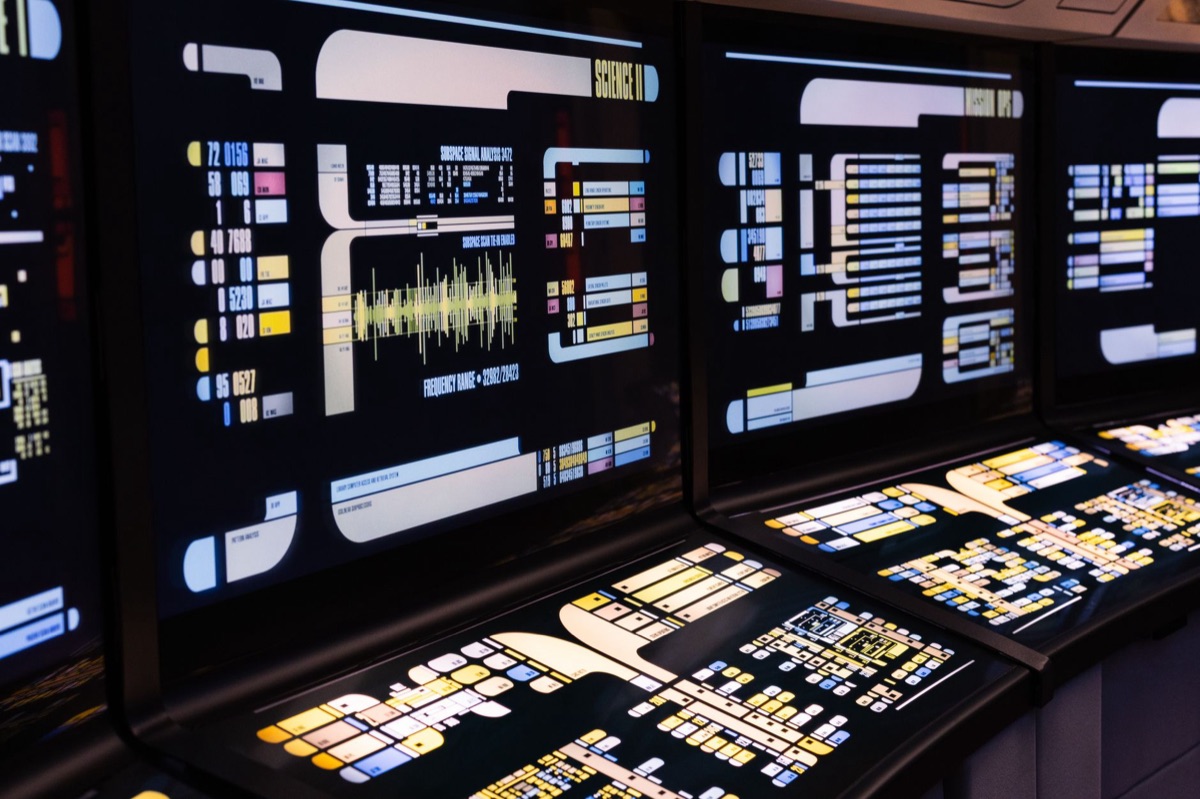
What is the core of future industry: intelligent infrastructure and data?
In the early hours of the morning, the sensors of an autonomous vehicle scan the surroundings as it travels down an empty road. Invisible signals travel through the air, connecting the vehicle to the city's infrastructure.
The industries following 2026 will likely be led by "intelligent infrastructure"—a combination of AI and connectivity. This goes beyond simple automation; it describes a system capable of self-assessment and optimization.
This shift will spark innovation in energy, transportation, manufacturing, and every other sector. Everywhere data flows becomes an industrial site, and the ability to manage that data through combined hardware and software will determine which companies survive.
In this process, data security and reliability will remain among the biggest challenges to solve. How do we prepare for this transition?
A four-step checklist for responding to the tide of change
On a Monday morning, an analyst sits at a desk covered in reports and data printouts. There is a sense of intense focus as they attempt to predict the moving market. Based on my own analysis of these shifting trends, here is a guide for responding to this new reality.
- Evaluate Risk Management Capabilities: Assess how quickly a company's digital infrastructure can recover (resilience) when a sudden service outage occurs.
- Analyze Investment Efficiency: Track whether current capital investments are moving beyond simple equipment replacement toward actual productivity gains through digital transformation.
- Review Digital Scalability: Calculate the potential for a company's digital content or services to expand across global networks.
- Develop Supply Chain Strategies: Plan how to secure a strategic position as global supply chains reorganize to maintain leadership in advanced technology.
These factors will be the key variables determining the global economic landscape after 2026.







Comments 0