2026 Framework: Secure Supply Chains Through US-Korea Ties
"The 2026 Korea-US framework is not a mere diplomatic handshake; it is a structural necessity built on the bedrock of survival in a shifting global market."
The 2026 alignment represents a fundamental shift toward deep-seated economic integration between two of the world's most influential innovation hubs. This partnership aims to secure supply chains, stabilize high-tech markets, and create a unified front against global volatility.
* Primary Drivers: Supply chain resilience and secure access to cutting-edge technology markets. * Industrial Roles: American capital and design meeting Korean manufacturing and high-tech execution. * Global Implications: A new blueprint for bilateral economic security that influences trade corridors globally. * Policy Focus: Deep cooperation in semiconductors, clean energy, and bio-tech sectors.

Why is the 2026 Alignment Economically Inevitable?
In a dim Seoul boardroom at midnight, a weary executive rubs her eyes while watching the blue light of a digital map flicker across her face.
A quiet meeting in a high-rise boardroom in Seoul, where executives stare at digital maps of shifting trade routes, sets the stage for a new era. The tension in the room is palpable as they realize that old trade models are no longer sufficient to protect their investments.
The necessity of this alignment stems from a global trend toward deglobalization, where traditional trade routes are increasingly unpredictable.
For American and Korean firms, the 2026 framework acts as a stabilizer, ensuring that critical components—from microchips to battery cells—move through secure, friendly channels.
Mutual dependency has reached a critical mass in sectors like advanced semiconductors and clean energy. American firms often lead in R&D and design, while Korean industries possess the manufacturing sophistication required to bring these innovations to scale.
This synergy makes the partnership more than just a choice; it makes it a survival strategy.
Furthermore, geopolitical stability is now a prerequisite for long-term investment. Capital flows are no longer just looking for high returns; they are looking for security.
By aligning their economic policies, both nations create a predictable environment that encourages massive, long-term capital expenditures.
Domestic policy trends in the United States, particularly regarding inflation management and fiscal spending, also play a role.
A stable, high-tech partner like Korea provides a reliable outlet for American innovation and a secure source of high-value goods, helping to balance domestic economic pressures.
But looking at high-level policy is only half the story.

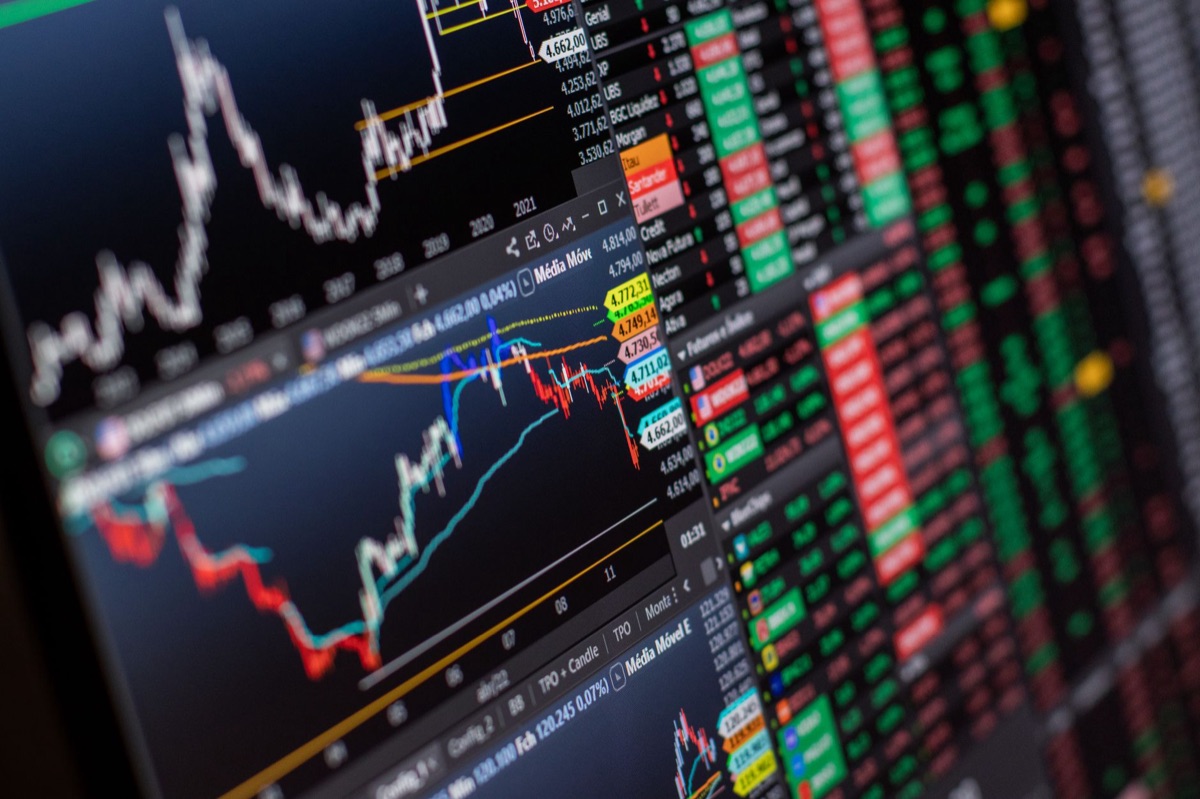
How does US economic policy affect the whole world? A trader in London grips his cold coffee cup as he watches a sudden shift on his monitor during the pre-dawn hours.
A trader in London watches a flickering screen, seeing how a single policy shift in Washington ripples through markets from Tokyo to Seoul. The speed of this transmission is a constant reminder of American economic gravity.
US monetary policy, particularly decisions regarding interest rates and inflation control, acts as a global heartbeat.
When the Federal Reserve adjusts its stance, it dictates the cost of capital globally, forcing partners like Korea to synchronize their own monetary responses to maintain competitiveness.
Regulatory shifts in the United States, such as new tech governance standards or trade tariffs, redefine market access for everyone. The 2026 framework helps American and Korean firms navigate these shifts collectively, ensuring they are not caught off guard by sudden changes in trade law.
US fiscal spending also drives global demand. Large-scale American investments in domestic infrastructure and green energy create a vacuum that pulls global supply chains toward American shores. This pull necessitates deep cooperation with partners who can fill those supply needs reliably.
Global bodies and institutions continue to monitor these shifts closely. For instance, looking back at recent data, the United States recorded a GDP growth of 2.2% in 2025, according to World Bank data.
This growth provides a stable backdrop for the 2026 initiatives, signaling that the American economy remains a primary engine of global demand.
However, growth alone doesn't guarantee stability if the industries themselves don't mesh.
Where do Korean and US businesses work together? An engineer in a cleanroom facility, wearing a white suit and looking through a microscope, represents the literal intersection of these two economies. The precision required in this work is where the partnership finds its greatest value.
Specific industries are poised for explosive growth through this synergy. Semiconductors, automotive technology, and bio-tech are the primary pillars. American software and design-led firms find a perfect partner in Korean hardware-centric giants, creating a complete end-to-end ecosystem.
The 2026 framework addresses operational challenges like skilled labor shortages and market access. By aligning standards, companies can move talent and technology more fluidly between the two nations, reducing the friction that often plagues international business.
Joint ventures are becoming a necessity rather than an option. To meet future market demands, companies are moving beyond simple buyer-seller relationships toward deep integration.
This might mean American firms building design centers in Seoul while Korean firms establish massive manufacturing hubs in the American South.
While large corporations lead the charge, small and medium-sized enterprises (SMEs) also play a crucial role. The framework provides a structured environment where specialized SMEs can integrate into the global supply chains of much larger partners, fostering a more robust and diverse economic base.
When I looked at the logistics of these new joint ventures, I realized that the complexity of moving high-tech parts across borders is much higher than traditional trade.
Navigating Global Economic Shifts: Beyond Bilprint Trade
A community leader looks at a new wind farm on the horizon, seeing not just energy, but a new kind of sustainable economy. This shift toward sustainability is reshaping how nations view growth and resource management.
The global trend toward a circular economy is a major driver of new economic models. This approach focuses on minimizing waste and maximizing resource efficiency, creating entirely new markets for recycled materials and sustainable technologies.
The scale of this opportunity is massive. According to the European Commission's EU Science Center, the circular bioeconomy produces €1.5 trillion in value added, accounting for 11% of EU GDP.
This demonstrates that sustainable models are not just environmental necessities but significant drivers of GDP.
Global labor market trends are also shifting toward these sustainable models. The International Labour Organization predicts that implementing a circular economy by 2030 might result in an additional 7-8 million jobs being created globally.
This potential for job creation makes the 2026 alignment a socially significant move as well as an economic one.
International cooperation is essential to manage these large-scale shifts. As nations move toward more sustainable and circular models, the 2026 framework allows the US and Korea to set global standards, ensuring that their industries lead the transition rather than merely reacting to it.
But these shifts don't happen overnight, and they don't happen without trade-offs.
Summary of Economic Drivers
| Driver Category | Primary Focus | Strategic Goal |
|---|---|---|
| Supply Chain | High-tech components | Resilience against disruption |
| Innovation | R&D and Manufacturing | Leadership in emerging sectors |
| Sustainability | Circular economy models | Long-term resource security |
| Geopolitics | Policy synchronization | Stability and investment security |
How to Navigate This New Economic Landscape
- Monitor Policy Shifts: Stay updated on US trade regulations and Korean industrial policies, as these will dictate market entry and exit.
- Evaluate Supply Chain Integrity: Assess whether your business partners are integrated into the secure 2026 framework.
- Invest in Innovation Synergies: Look for opportunities where American design meets Korean manufacturing capability.
- Prepare for Sustainability Standards: Align business models with circular economy trends to capitalize on new global standards.
It is important to note that this framework is not a universal solution. It is primarily designed for high-tech, high-capital sectors.
Businesses in traditional, low-margin industries may find that the costs of aligning with these new standards outweigh the immediate benefits, making this a specialized strategic roadmap rather than a general economic rule.






Comments 0