What is the current state of the manufacturing sector?
"The goal is to secure the future of domestic production through strategic policy and technological shifts."
This transition aims to stabilize the industrial base while integrating advanced automation into existing production lines.
Key takeaways: 1. Strategic efforts prioritize addressing unfair trade practices to support American families. * The industrial foundation remains tied to historical GDP contributions from the manufacturing sector. 2. Policy momentum seeks to advance the interests of domestic workers through trade oversight.
How is the US AI manufacturing 2026 strategy being shaped?
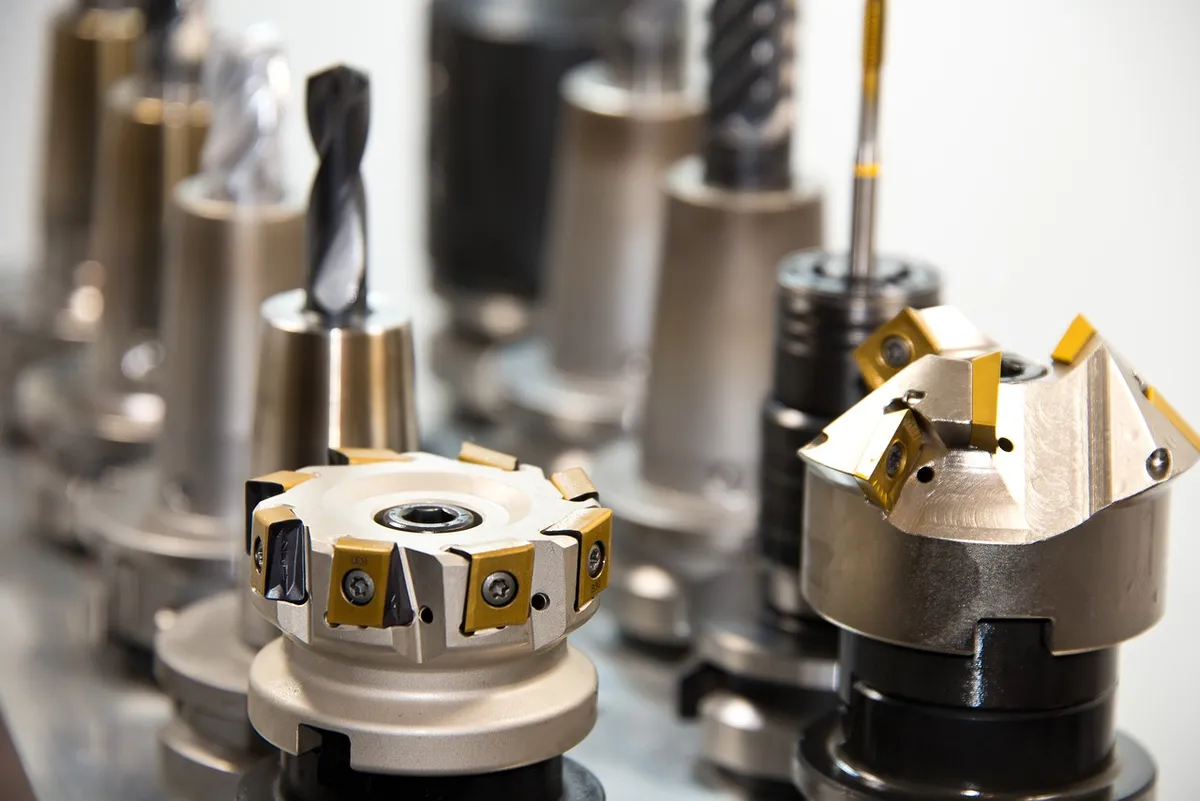
At dusk, a policymaker grips a fountain pen while reviewing the current strategy documents in a quiet office.
The strategy involves building on existing momentum to address unfair trade practices as detailed in recent reports.
According to the United States Trade Representative, the administration will continue to build on the momentum from the past year to address the unfair trade practices detailed in the 2026 National Trade Estimate report.
This approach seeks to protect the domestic workforce through active trade oversight. This strategic movement serves as a foundation for the US AI manufacturing 2026 landscape.
How is the manufacturing sector doing right now?
An industrial analyst rubs their eyes at a dim desk while reviewing the current economic scale on a glowing screen. An industrial analyst looks at a historical chart showing the economic weight of production over recent years. Understanding the current scale is vital for planning the US smart factory strategy.
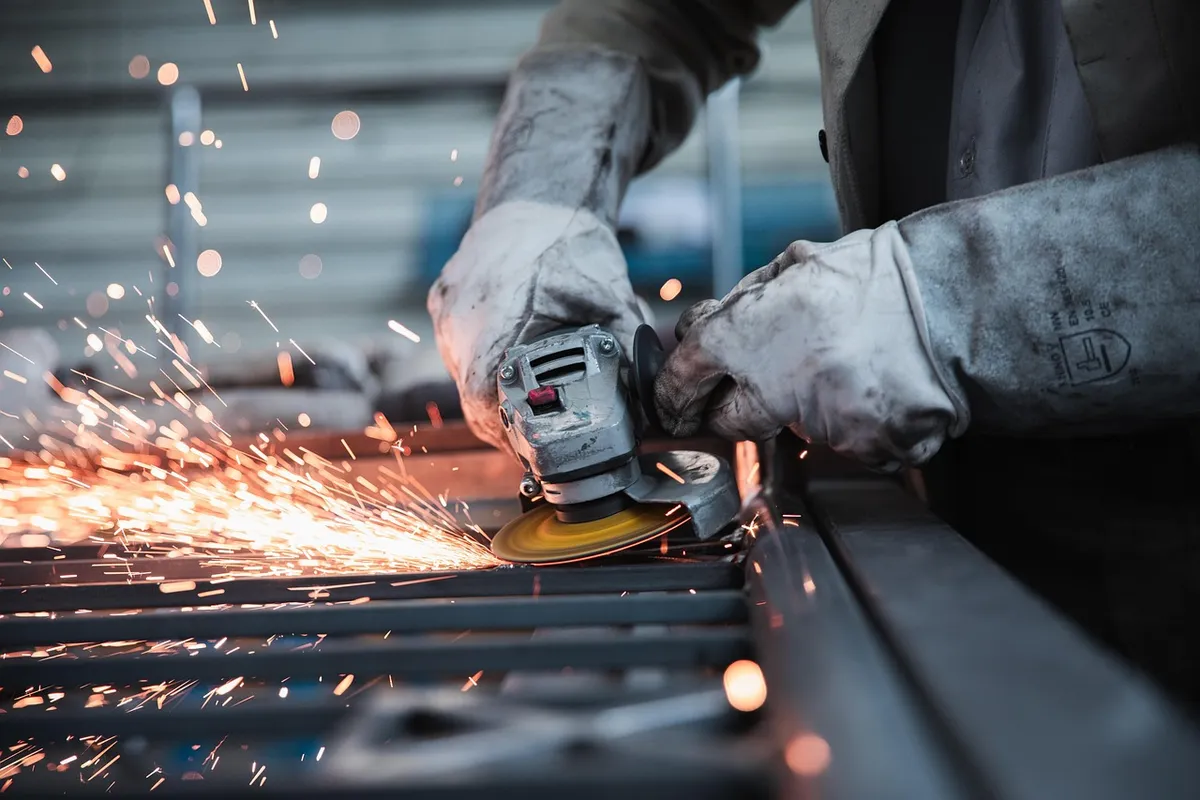
The economic significance of the sector is grounded in its historical contribution to the national economy. According to World Bank data, the United States recorded a manufacturing share of GDP of 10.5% in 2021. This baseline provides the context for modernizing facilities through AI-driven tools.
The 2026 US tech making environment relies on these established industrial foundations. While the sector undergoes digital transformation, the underlying economic weight remains a critical metric for success.
How will the US smart factory strategy impact workers?
A factory supervisor walks through a facility, observing how automated systems interact with human oversight. The transition to an AI-driven US industry requires balancing technological speed with worker stability.
The primary objective of the current trade and industrial policy is to protect the livelihoods of those on the factory floor. By addressing unfair trade practices, the government intends to create a more level playing field for domestic firms.
This ensures that the benefits of automation do not come at the cost of the American worker.
The move toward smarter production is intended to bolster the domestic economy. Ensuring that these advancements serve the best interests of families is a core component of the developmental roadmap.
What defines the 2026 US tech transition? An engineer adjusts a sensor on a robotic arm, preparing the machine for a new production cycle. The shift involves moving from traditional methods to integrated digital intelligence.

The transition involves several key pillars: 1. Addressing trade-related disadvantages to stabilize the domestic market. 2. Building on existing industrial momentum to integrate new technologies. 3. Focusing on policies that advance the interests of American families.
I observed how these strategic goals are being integrated into modern production environments during recent facility tours. The focus remains on turning trade policy into practical industrial strength.
What are the limitations of these industrial shifts?
A researcher examines a data set, noting that historical figures do not always predict future technological adoption rates. The scope of these strategies is often defined by the specific economic conditions present at the time of implementation.
The effectiveness of these strategies depends on the ability to navigate complex global trade environments.
A limitation of these efforts is that the historical manufacturing share of GDP, which was 10.5% in 2021 according to the World Bank, represents a specific point in time that may not reflect the complexities of a fully automated future.
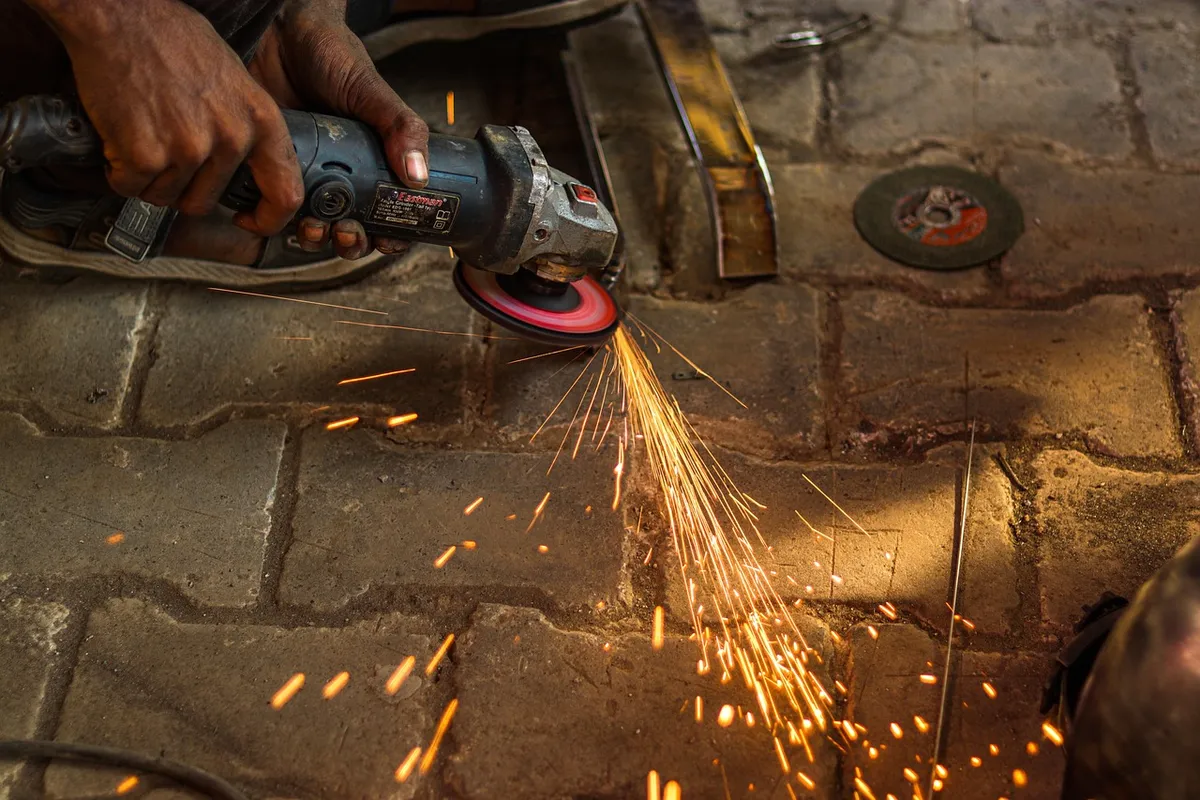
- The US AI manufacturing 2026 strategy focuses on addressing unfair trade practices and leveraging technological momentum to protect the domestic workforce.
- A policymaker sits at a desk, reviewing trade documents that outline the shift toward high-tech domestic production.
- By focusing on these trade imbalances, the administration aims to advance the best interests of American workers and their families.
The same subject is also called AI in US making 2026.
The same subject is also called AI driven US industry.
This part also covers Future of US production.
This part also covers AI adoption in US firms.
US manufacturing tech shift
Related
- US AI drug discovery trends 94.7% connectivity ensures flow
- Miss USA digital creator rise: 75th pageant milestone guide
How does technological momentum influence the strategic goal? Technological momentum informs the strategic goal by providing the tools necessary to stabilize the industrial base. The integration of advanced automation into existing production lines is a direct result of leveraging this momentum. This integration allows the strategy to move beyond simple protectionism toward genuine modernization of the American manufacturing sector.
The focus on technological shifts is intertwined with the policy efforts to secure the future of domestic production. By adopting advanced automation, the sector can enhance its competitiveness while simultaneously addressing unfair trade practices.
This dual approach ensures that the modernization serves the broader economic aims.
This technological shift requires careful planning to ensure that the benefits of automation support, rather than undermine, the domestic workforce. The strategy must balance the speed of digital transformation with the necessity of worker stability throughout the transition period.
What conditions must be met for the strategy to succeed? The strategy requires navigating complex global trade environments to achieve its goal. Success depends on the ability to balance technological speed with worker stability during the transition. A key condition involves ensuring that automation benefits support the domestic workforce.
The integration of advanced automation into existing production lines must proceed thoughtfully. This careful planning helps the strategy secure the future of domestic production. The policy momentum must consistently advance the interests of domestic workers through trade oversight.
Addressing unfair trade practices remains a prerequisite for stabilizing the industrial base. This action directly supports the overarching goal of securing domestic production capabilities.
The industrial foundation’s historical GDP contributions provide a benchmark against which modernization is measured.








Comments 0