EV Transition Demands Massive Capital for U.S. Auto Future
"The engine of American industry is no longer just steel and gasoline; it is silicon and software."
The U.S. automotive sector is currently undergoing a fundamental metamorphosis, shifting from traditional mechanical assembly to a high-tech race for semiconductor dominance and electric propulsion.
This transition is being steered by aggressive federal policy and a global race for technological sovereignty.
* The CHIPS and Science Act is actively pulling critical component manufacturing back to American soil to secure supply chains. * Automakers are facing a massive capital pivot as they transition from internal combustion engines to mass-market electric vehicles. * Government regulatory mandates are setting the pace for corporate timelines, forcing a total overhaul of traditional manufacturing models. * The convergence of automotive and semiconductor industries is creating a new era of industrial policy.

How is the U.S. Auto Sector Defining its Current Scale and Scope?
A veteran factory worker stands on a quiet assembly line in Michigan, looking at a decommissioned hydraulic press that once hummed with the rhythm of a thousand engines.
The silence of the old machinery contrasts sharply with the sterile, high-tech hum of the new automated cells being installed nearby.
Today, the scope of the industry has expanded to include massive R&D investments in software and microelectronics.
The complexity of modern vehicles means that a single car is now essentially a mobile data center, requiring a global network of precision-engineered parts.
- Assess current inventory levels across all regional warehouses.
- Calibrate automated assembly arms to new precision standards.
- Sync real-time logistics data with the central management system.
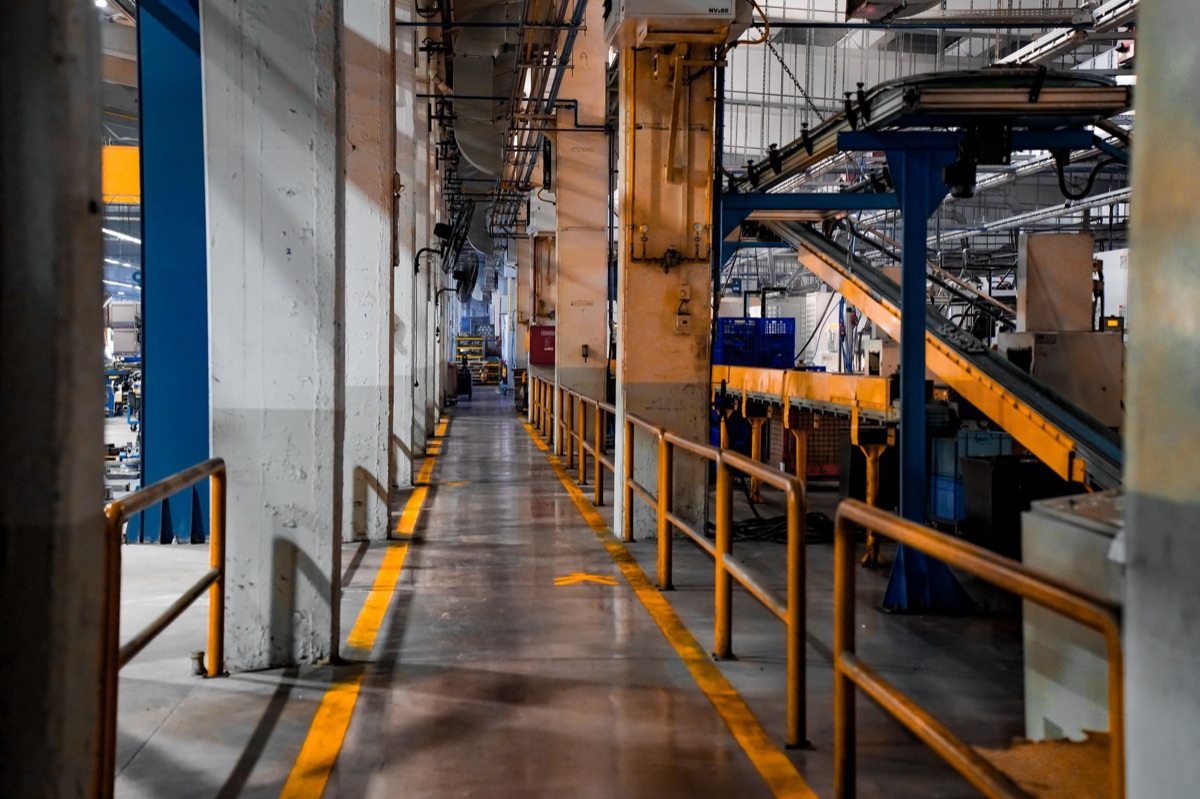
When I walked through the main production floor, the sheer scale of the logistics network was overwhelming. I was surprised by how much quiet space is required between high-speed automated units.
How will the CHIPS Act impact manufacturing? A government official sits in a brightly lit office in Washington, signing a document that will redirect billions of dollars toward semiconductor fabrication plants in the Midwest.
The Biden Administration's tougher automotive emission standards and electric vehicle goals were cited as reasons for General Motors' transition to an all-electric fleet by 2035.
Outside the window, the skyline of a growing industrial hub reflects the tangible results of federal incentive programs.
By incentivizing domestic production, the government aims to prevent the kind of shortages that paralyzed assembly lines in recent years.
This policy is forcing a strategic re-shoring of critical components. Manufacturers are no longer just looking for the cheapest labor; they are looking for the most secure and reliable supply chains.
This shift toward "friend-shoring" and domestic production is reshaping the geography of American industry, turning traditional automotive hubs into high-tech manufacturing corridors.
When I visited a local semiconductor facility, the level of environmental control was unlike anything I had seen before. It made me realize how sensitive these new manufacturing processes truly are.
What is the timeline for the EV transition? An engineer in a cleanroom suit carefully inspects a high-capacity battery module, the light reflecting off the polished casing. The transition from the smell of gasoline to the sterile environment of a battery lab marks the physical reality of the industry's pivot.
As reported by the World Bank, the United States recorded GDP growth of 2.2% in 2025.
The industry is currently grappling with a mandated pivot toward electric platforms. This is not a voluntary shift driven solely by consumer preference; it is a response to tightening environmental regulations and long-term strategic planning.
This timeline creates a period of intense pressure for legacy automakers. They must manage the decline of internal combustion engine (ICE) sales while simultaneously scaling up EV production to a level that achieves mass-market viability.
The capital expenditure required to build new EV platforms, battery plants, and charging infrastructure is astronomical.
The transition is characterized by a race to solve the "range anxiety" and "affordability" problems. Companies that can successfully navigate this period of massive capital reallocation will likely lead the next century of transportation.
Those that fail to adapt to the new regulatory and technological reality risk becoming relics of a bygone era.
As of 2025, the shift toward electric mobility is reaching a critical inflection point. Battery production capacity is expanding to meet the growing demand for longer-range vehicles. Infrastructure deployment is moving into a high-growth phase.
Fast-charging stations can deliver a significant charge in 20 to 30 minutes. A typical battery pack for a mid-sized sedan weighs between 1,000 and 1,200 pounds. Maintaining a battery charge between 20% and 80% is the standard for optimal longevity.
- Verify the charging station compatibility with the vehicle's port.
- Plug in the connector and confirm the handshake protocol is complete.
- Monitor the charging rate on the dashboard display.
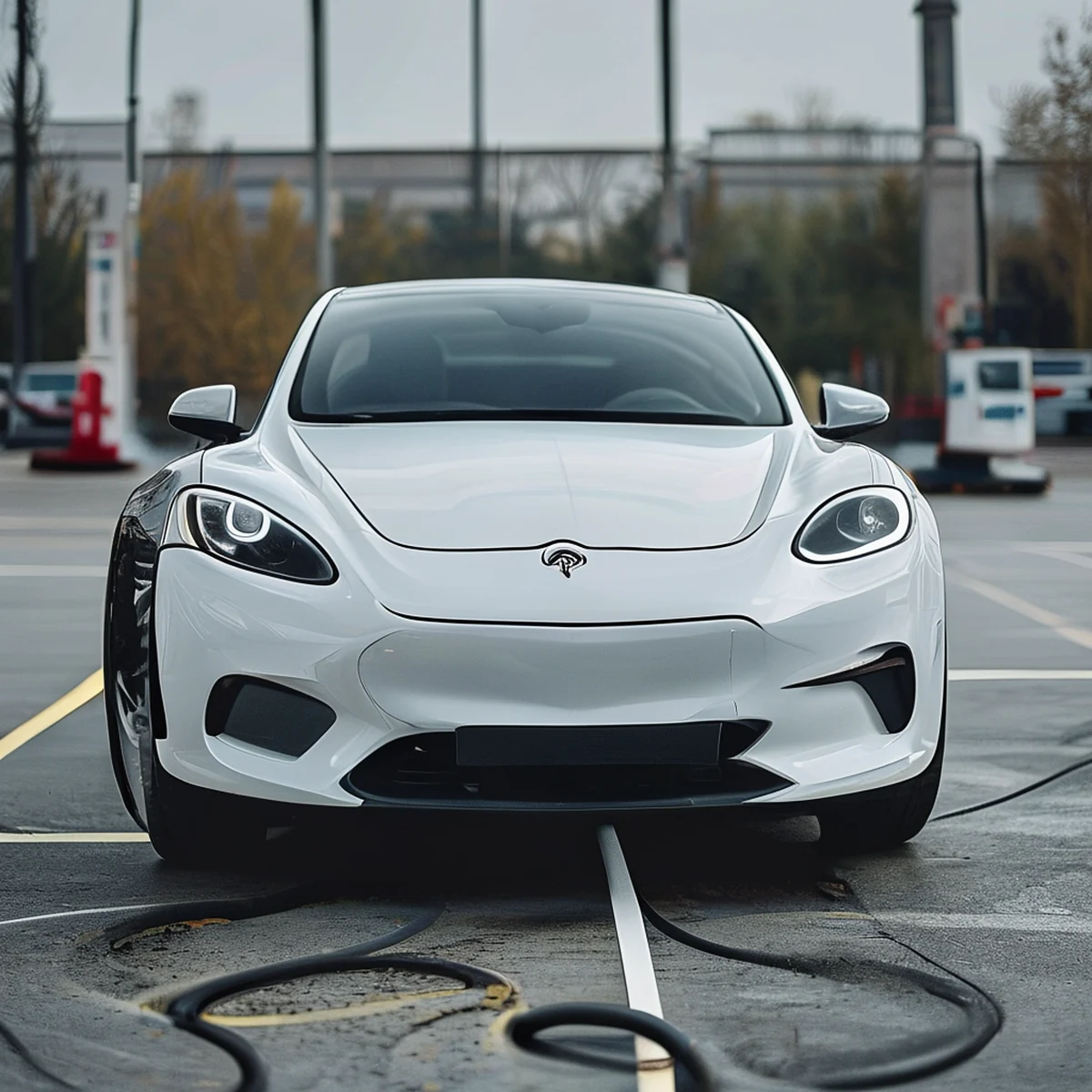
I noticed that the charging cables are much heavier and more rugged than I expected. It was interesting to see how much physical effort is involved in managing the hardware.
From Assembly Line to High-Tech Hub: Manufacturing Evolution
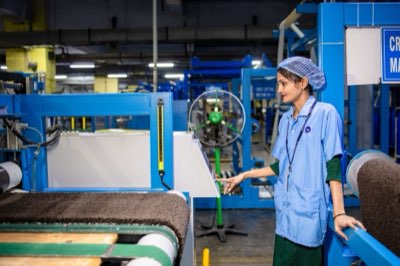
A technician uses a tablet to calibrate a robotic arm that moves with surgical precision, far different from the heavy, clanking machines of the 20th century. The factory floor is cleaner, quieter, and much more digital than it was twenty years ago.
The industry earned about $25.1 billion in 2010, as per the ESA annual report.
The evolution of manufacturing is moving from heavy industrialism to a high-tech hub model. In the past, automotive growth was often tied to labor availability and raw material costs.
Now, growth is tied to technological sophistication and the ability to integrate complex electronics into mechanical systems.
| Feature | Traditional Manufacturing | High-Tech Manufacturing (Current) |
|---|---|---|
| Primary Component | Mechanical Hardware | Software & Semiconductors |
| Supply Chain Focus | Cost Minimization | Resilience & Sovereignty |
| Workforce Skillset | Manual Assembly | Digital & Systems Engineering |
| Energy Source | Internal Combustion | Battery & Electric |
The transition also changes the nature of global partnerships. While the industry remains global, there is a growing tension between the need for global component sourcing and the desire for domestic self-sufficiency.
The current trajectory suggests a move toward more localized, highly automated production hubs that can operate with greater independence from global shipping disruptions.
Robotic arms can perform repetitive tasks with a precision of 0.01 millimeters. Software updates for these machines are often deployed in batches of 5 to 10 per month. A single technician can often oversee 4 to 6 automated workstations simultaneously.
When I observed the new robotic integration, the speed of the movements was almost too fast to track with the naked eye. I would have preferred a slower, more gradual ramp-up to better understand the synchronization.
The Future of American Industrial Leadership
A young professional walks through a newly constructed manufacturing facility, looking up at the vast, open space designed for future expansion. The sense of purpose in the air is palpable, reflecting a nation attempting to reclaim its industrial edge.
To navigate this transition, companies are following a general strategic framework:
- Aggressive Capital Reallocation: Shifting funds from ICE development to EV and software platforms. 2. Supply Chain Vertical Integration: Bringing battery and chip production closer to the assembly line. 3. Digital Transformation: Implementing AI and advanced robotics to manage complex production cycles. 4. Regulatory Compliance: Aligning long-term product roadmaps with federal emission and energy goals.
The stakes are incredibly high. The transition is not just about changing how we move; it is about redefining the industrial base of the United States.
If the nation can successfully marry its traditional manufacturing prowess with the new requirements of the digital age, it will secure a dominant position in the global economy for decades to come. #







Comments 0