AI Supremacy: 3 Key Industries Driving the Global Race
The battle for AI supremacy has moved beyond code to a massive physical arms race involving chips, storage, and global supply chains.
The generative AI landscape in 2026 is no longer just about who builds the smartest chatbot; it is about which tech giants control the entire stack from silicon to software. While Microsoft and Google fight for dominance in user ecosystems, NVIDIA is fundamentally reshaping market orders by monopolizing the hardware infrastructure required to run these massive models.
* The Ecosystem War: A fierce battle between model developers (like OpenAI) and platform integrators (like Google and Microsoft) to embed AI into daily workflows. * Hardware Bottlenecks: The critical shift toward high-performance storage and memory, as seen in the integration of next-gen eSSDs into NVIDIA’s Vera Rubin architecture. * Market Expansion: Continued double-digit growth in enterprise AI adoption, driven by massive capital expenditure from Big Tech.

Who Actually Controls the Generative AI Lead?
The current market is witnessing a blurring of lines between "model developers" and "platform service providers." In previous years, owning a proprietary model was the ultimate advantage, but today, the winner is determined by how deeply an AI can be woven into existing digital habits—think Microsoft Office or Google Search.
Microsoft is currently rewriting the standards for professional software through its Copilot integration. Meanwhile, Google is leveraging its massive search distribution network to deploy Gemini, simultaneously defending its core business while attacking new frontiers.
According to Gartner's 2025-2026 market outlook report, enterprise generative AI adoption rates are projected to see double-digit growth compared to 2025 levels. This indicates that AI is moving past the "hype" phase and into deep integration within actual business processes.
Furthermore, as noted in the Stanford University 「2025 AI Index」, the concentration of computing resources among a handful of Big Tech firms is accelerating. This creates a massive barrier to entry, where only those with astronomical capital can compete at the frontier of development.
The AI Semiconductor Supply Chain: NVIDIA and the Memory Giants
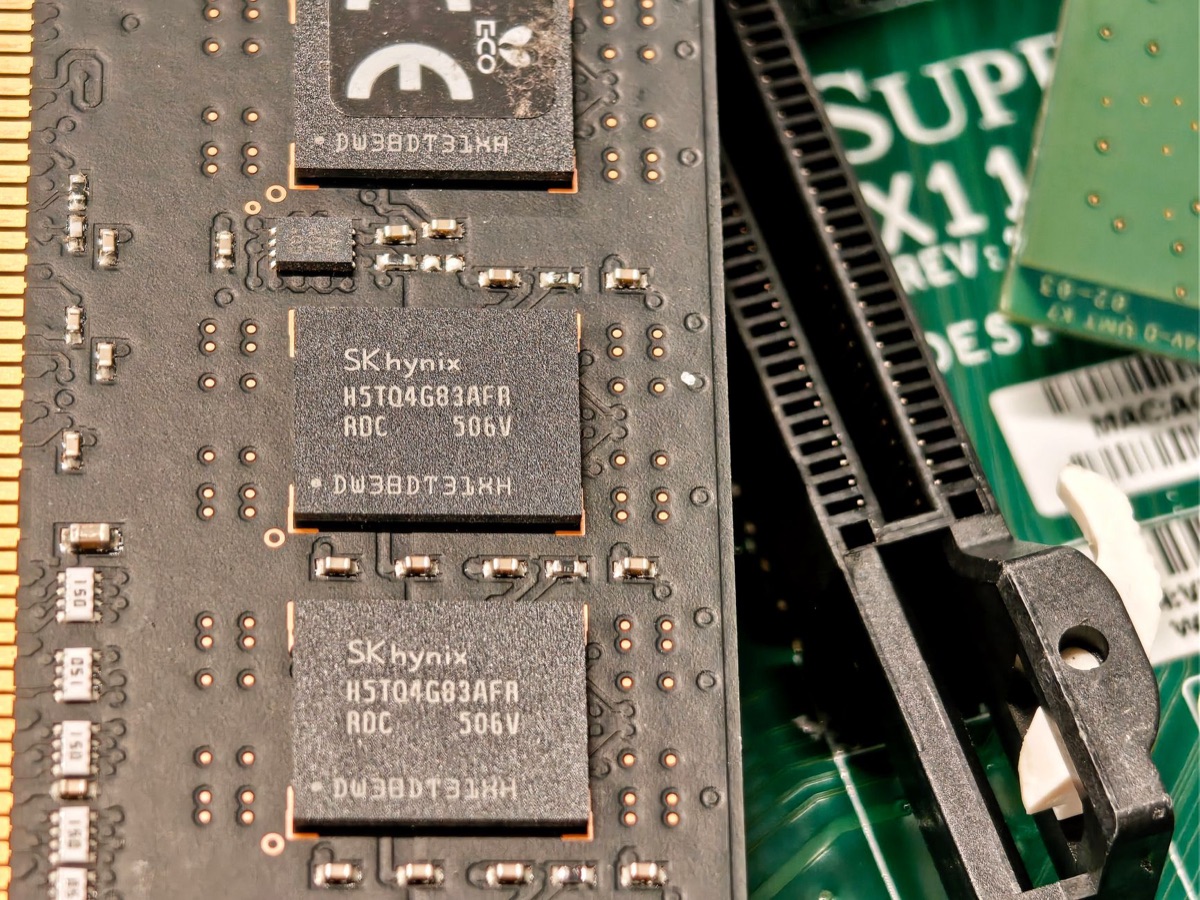
As AI models scale toward unimaginable sizes, the hardware supporting them becomes the ultimate bottleneck. The ecosystem now relies on a tight-knit alliance between companies that design GPUs (the "brains") and those that provide high-bandwidth memory and storage (the "nervous system").
A major trend to watch in 2026 is the evolution of data storage. With the emergence of NVIDIA's next-generation 'Vera Rubin' platform, the demand for ultra-high-performance storage has exploded.
For instance, Samsung Electronics has begun mass-producing its 'PM1763' AI-optimized eSSD, specifically targeting integration into NVIDIA’s Vera Rubin systems to expand its supply chain footprint. This proves that GPU designers and memory manufacturers are no longer just vendors; they are moving as a single, massive "AI infrastructure package."
| Category | Primary Role | Key Players | Core Technology/Product |
|---|---|---|---|
| Design (Fabless) | AI logic & platform architecture | NVIDIA, AMD | GPU, CUDA Platform |
| Memory/Storage | Solving data bottlenecks | Samsung, SK Hynix | HBM, eSSD (e.g., PM1763) |
| Cloud (CSP) | Providing compute infrastructure | MS Azure, Google Cloud | Distributed Computing |

A 3-Step Process for Implementing AI in Your Business
With technology moving at breakneck speed, companies cannot afford a "plug and play" approach. Based on my observations from consulting sessions with enterprise leaders this year, I recommend this structured framework:
- Audit Data Infrastructure: Ensure your data is structured for real-time cloud processing and that Zero Trust security protocols are strictly applied to prevent leaks.
- Analyze Inference ROI: Don't just chase the highest benchmark scores. Calculate your Return on Investment based on current 2026 inference costs per token to ensure scalability.
- Workflow Integration Testing: Connect your chosen AI model to existing systems (ERP, CRM) via APIs and measure the actual reduction in manual task hours before a full rollout.

Strategic Alliances vs. Monopolistic Risks
The defining characteristic of the 2026 tech industry is "strategic alliance" rather than "solo innovation." Because the cost of training frontier models has become astronomical, smaller innovators are increasingly choosing to hitch their wagons to Big Tech's infrastructure.
The Microsoft-OpenAI relationship remains the gold standard for this model. However, these massive consolidations face intense scrutiny from regulators. Government agencies in the U.S. and abroad are monitoring these partnerships closely to ensure they don't stifle future competition.
I remember attending a global tech conference late last year where I spoke with several systems engineers. They told me that the conversation has shifted: it’s no longer just about "who has the smartest model," but rather "who can provide the most stable and cost-effective inference." In the enterprise world, operational efficiency is now as important as raw intelligence.
Managing Volatility in the AI Era
It isn't all smooth sailing. Recent New York Stock Exchange briefings have shown that the Nasdaq remains highly sensitive to geopolitical tensions, particularly in the Middle East, which can trigger sudden sell-offs in tech stocks. This highlights how deeply the AI industry is tied to global supply chains and energy security.
Market volatility is also driven by specific semiconductor news. For example, updates regarding Samsung's production yields or shifts in NVIDIA's supply chain can swing global investor sentiment overnight.
However, many analysts argue that this volatility is a natural part of an industry maturing. While regulatory risks and technical uncertainties remain, most experts view these fluctuations as the "growing pains" of building the world's new digital foundation.







Comments 0